1121 Basmati Rice
Premium 1121 Basmati Rice Sourced from Certified Global Manufacturers and suppliers
Global Sourcing Hub
Source from 2,800+ verified 1121 Basmati Rice manufacturers in 45+ countries with Secure Trade Guarantee

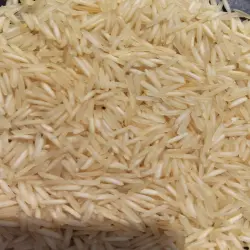
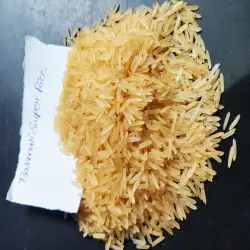
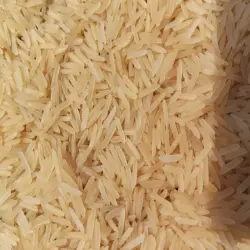
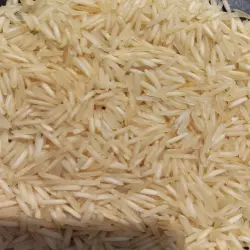
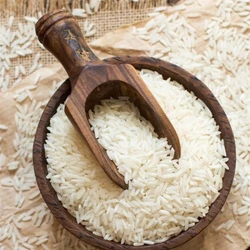
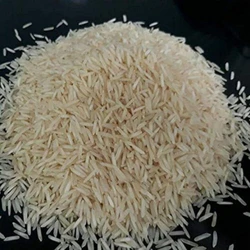
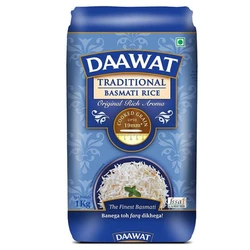
Looking for 1121 Basmati Rice? Tell Us Your Requirement & Get Best Quotes!
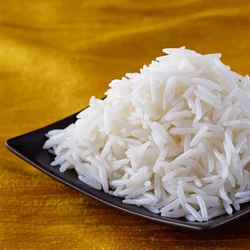
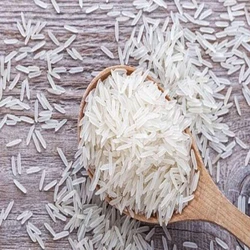
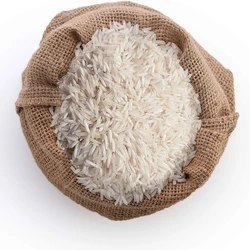
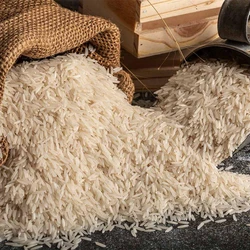
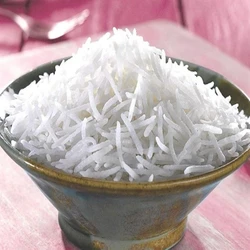
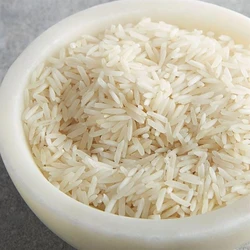
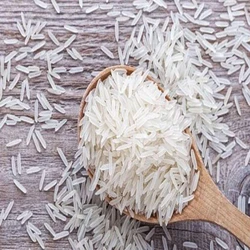
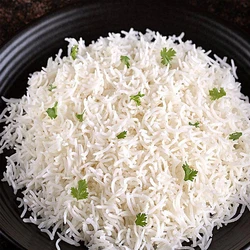
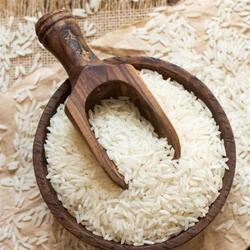
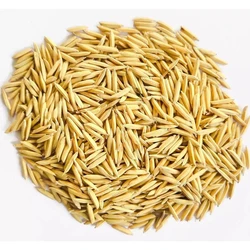
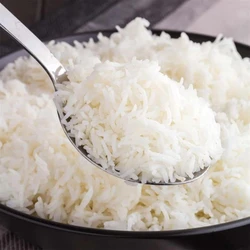
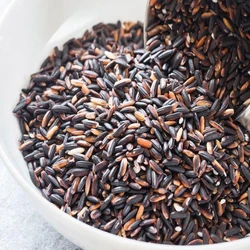
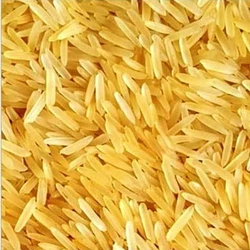
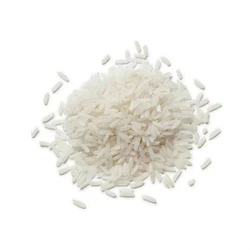
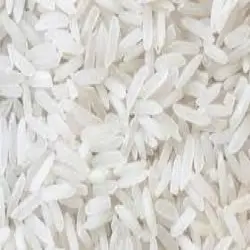
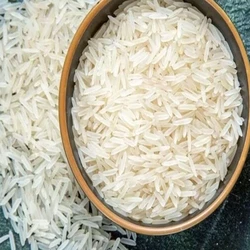
Organic Basmati Rice — Human consumption food cooking
Best Basmati Rice, Suitable for all food, non stickey
Traditional Basmati Rice, Delicate taste, fluffy
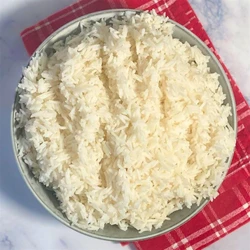
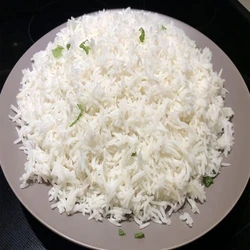
Cooked Basmati Rice, Suitable, natural, lightweight
Basmati Rice — Finest aroma and delicious taste
HMT HMT, Nutrient Density High Protein, Animal Welfare if applicable Not Applicable, 1121 Premium Basmati Rice 30kg Long Grain Aged Rice High Quality, HARISH
Looking for 1121 Basmati Rice? Tell Us Your Requirement & Get Best Quotes!
Simple Basmati Rice, Flavorings, Appearance, aroma
Natural Basmati Rice — Gluten-free rice, no cholesterol
Region Of Origin Uttar Pradesh, Texture Hard Basmati Rice, Type Pusa Basmati, Packaging Type Loose
Basmati Rice — Prices are reasonable pure and genuine
Long Grain Basmati Rice — Non-sticky texture
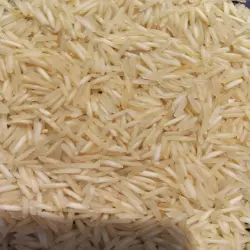
Dried Basmati Rice — Long grain rice best variety
Natural Basmati Rice — Hard texture long grain
Indian Basmati Rice — Long-grain rice, delicious
Organic Basmati Rice — High in protein long grain
Agriculture Pusa Basmati — 18 month shelf life
White Basmati Rice — High in protien common type
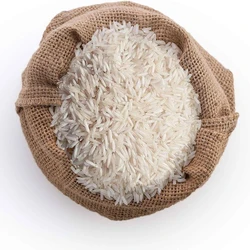
Soft Black Rice — Jute bags packaging type low in fat
Cuisine Type Indian Prachi Allover Pethni, Brand Mister, Color White
1121 Basmati Rice Manufacturer and Supplier in India
At first glance, Basmati Rice probably doesn't seem all that different from other kinds of rice. However, all it takes to notice a noticeable shift is a smell of the grain. When cooked, Basmati Rice has a very distinct smell that many compare to that of popcorn. The Hindi term "basmati" means "fragrant" or "full of aroma." It is referred to as the "queen of perfumed rice" in some regions. On our website, you may find a large number of suppliers and manufacturers of Sella Basmati Rice.
India and Pakistan are the original producers of Basmati Rice, with India providing two-thirds of the world's supply. Archaeologists have found a form of long-grain rice close to Udaipur, India that dates back to between 2000 and 1600 BC; although its exact origins are unknown, they consider it to be an ancestor of the Basmati Rice that we eat today. For millennia, people have been growing Basmati Rice in the Himalayan foothills. It is now a common ingredient in many Indian recipes and is loved elsewhere in the world. There are two types of Basmati Rice: brown and white. They both smell very different and taste nutty. On the other hand, white basmati is highly processed. Bran, germ, and hull are all taken out. With brown basmati, one removes only the husk. Both varieties are a tasty and nutritious complement to your diet.
Benefits of 1121 Basmati Rice
Beneficial for Patients with Diabetes: The majority of rice cultivars, particularly white rice, have improved glycemic index. Because Basmati Rice has a lower glycemic index than other varieties, it is superior. The glycemic index of Basmati Rice ranges from 50 to 58. This suggests that the food has a low to medium glycemic index. People with diabetes can consume Basmati Rice. They can include a little serving of Basmati Rice in their diet.
Nutrients Per Serving: Cooked Basmati Rice has several nutrients in one cup. nutrients, such as sugar, fat, protein, carbs, and calories. It also includes various other minerals, such as phosphorus, copper, zinc, iron, magnesium, folate, and vitamin B1.
Lower Your Chance of Cancer: Brown Basmati Rice has more fiber than white Basmati Rice. This type of diet, especially the high-fiber one, can help reduce the chance of acquiring some malignancies, particularly colon cancer.
Improved heart care: Eating complete grains, such as brown Basmati Rice, is linked to a decreased risk of heart disease. Whole grains can lower cholesterol levels in the blood. Furthermore, they also help lower the risk of hypertension, a major risk factor for heart disease. Thus, while brown Basmati Rice provides more fiber, zinc, and B vitamins than white Basmati Rice, both types of Basmati Rice offer vital minerals. Glycemic index is also low for brown Basmati Rice.
Application of 1121 Basmati Rice
1. A powerful source of energy: A very rich source of energy is Basmati Rice. For example, there are 100 grams of calories in 100 grams of rice. A vital component of your well-balanced supper can be Basmati Rice.
2. Free of gluten: One protein that is deficient in nutrients is gluten. Inherently gluten-free cereal is Basmati Rice. It might be a secure choice for those on a gluten-free diet. It is frequently recommended that patients with celiac disease eat Basmati Rice.
3. Enhances the nerve system: One of the greatest rice types for enhancing the nervous system is basmati. It has a lot of vitamin B, which is very important for the neurological system. Therefore, Basmati Rice should occupy a large amount of your meal.
4. A lower fat percentage: Although rice is frequently thought of as a high-fat cereal, cooked Basmati Rice only has 0.61 grams of fat per cup. As a result, the customer may relax knowing that he is not at risk from the negative effects of excessive fat content.
5. High in fiber, which helps avoid constipation: Numerous digestive problems might arise from a low-fiber diet. In comparison to other varieties of rice, basmati has longer, thinner grains. Because Basmati Rice has a high fiber content, it digests more easily. Put another way, it relieves constipation and offers an adequate amount of fiber.
6. High in vitamins: Vitamins like thiamine and niacin are abundant in Basmati Rice. To keep your heart healthy, these vitamins are very important. Additionally, the neurological and digestive systems benefit from these vitamins.
7. Keeps glycemic index stable: A figure known as the "glycemic index" describes how food affects a person's blood sugar levels. Basmati Rice has a glycemic index that ranges from low to medium. Patients with diabetes can therefore freely eat Basmati Rice in moderation.
Browse the most Searched 1121 Basmati Rice
Sona Masoori Rice | Kolam Rice | Hmt Rice | Ponni Boiled Rice | Ir 64 | Miniket Rice | Jeera Samba Rice | Idli Rice | Parmal Rice | Katarni Rice