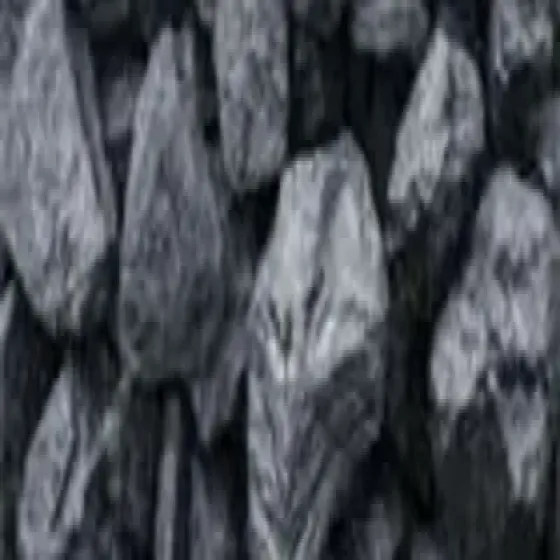
UsageApplication industrial Biomass Briquette, Thickness 90 mm
Active
Premium
Key Highlights
$ 0.09
per Gram (g)
MOQ
1
Available Variants
Technical Specifications
| Parameter | Value |
|---|---|
| Grade | A Grade |
| Thickness | 90 mm |
| Packaging Size | 25 Kg |
| Packaging Type | All |
| Country of Origin | Made in India |
| Usage/Application | industrial |
Product Description
Trusted Manufacturer of High-Quality Industrial Biomass Briquettes in Noida
Biomass briquettes are compact blocks of organic materials functioning as an An environmentally conscious option to traditional fuels like coal and charcoal. They are usually constructed from agricultural and forestry residues or biomass waste, Which includes substances rice husks, Including sawdust, Groundnut shells, And other biomass materials. Here serve as critical components highlights and key benefits of biomass briquettes raw materials biomass briquettes constructed using various biomass residues that are abundant and readily available. These can agricultural residues, Include sawdust like rice husks, Straw, And bagasse, Forestry residues such as wood chips and bark, And even industrial waste. Production process the creation of biomass briquettes involves compressing these biomass materials under high pressure without the implementation of any binding agents. This process may include drying the fundamental resources for reduce moisture content and then compressing them into solid blocks using a briquetting machine. Environmental benefits biomass briquettes are considered environmentally friendly because they utilize waste materials that might not occur be disposed of or left to decay, Releasing greenhouse gases. Using biomass briquettes minimizes greenhouse gas emissions while helps mitigate climate change. Energy efficiency biomass briquettes have a rich in calories in relation to the primary components from which they are made. They burn efficiently and produce making them, Consistent heat fit for diverse heating and cooking applications. Versatility biomass briquettes serves as a direct A replacement for coal and charcoal in as well, Heating stoves, Industrial boilers as various heating solutions applications. These can likewise serve as in household cooking stoves and grills, Providing a sustainable alternative to traditional fuels. Cost, Effectiveness in biomass briquettes, Many cases can be produced locally using readily available which reduces, Raw materials transportation costs and supports local economies. These items can additionally be cheaper than traditional fuels depending on local availability and market conditions. Carbon neutrality since biomass briquettes are made from organic materials that absorbed carbon dioxide during burning them, Their growth releases roughly the same amount consisting of carbon dioxide back into the atmosphere. This makes biomass briquettes a carbon, Neutral or even carbon, Negative fuel source when assessed against fossil fuels. Social benefits the production and use of biomass briquettes can create employment opportunities in rural areas where biomass resources are abundant. It is capable of also reduce reliance on imported promoting energy, Fossil fuels security and independence.
Shipping Information
Availability
In Stock
Price
Excluding all taxes
Ships from
Noida
Delivery Location
All India delivery available
Shipping
As per delivery location
Seller Information
S
Shree Maa Laxmi Udyog
Verified
Noida, Uttar Pradesh, India
Established:
2008
Delivery Time:
Ready Stock (Immediate Dispatch)
Shipping Options:
Trust & Safety
Trade Assurance Protected
Secure Payment Methods
Logistics Tracking Available
24/7 Customer Support
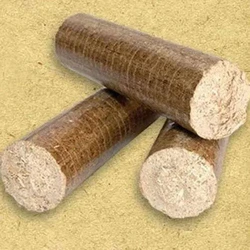
Nut Bio Mass Briquette — As Fuel usage burning efficiency
Request Price
per Pc
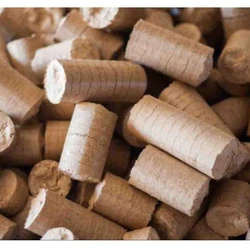
Wood Biomass Briquette — Industrial usage Brown color
Request Price
per Pc
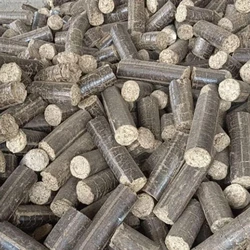
Common Biomass Briquettes — Hard texture 10 40mm
Request Price
per Pc
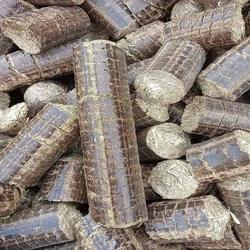
Biomass Fuel Briquettes — High burning efficiency
Request Price
per Pc
You May Also Like
Steam Coal
Wood Coal
Indonesian Coal
Tar Coal Tar
Biocoal
Indonesian Steam Coal
Coal Powder
Rom Coal
Usa Coal
South Africa Coal
White Coal Biomass Briquettes
Anthracite
Black Coals
Lignites
Lignite Powder
Coking Coal
Coal Pitch
Dolochar
White Coal
Biocoal Briquettes
Bitumen Coal
Natural Graphite
Cooking Coal
Coal Ash
Assam Coal Mines
Dehydrated Coal Tar
Thermal Coal
Biomass Coal
Screen Coal
Coal Pellets
Anthracite Coal Fines
Coal Slack
Coal Raw
Steam Non Coking Coal
High Grade Bio Coal
Calcined Anthracite
Non Coking Coal
Indigenous Coal
Chrome Lignite
Australian Coal
Washed Coal
Hardwood Charcoal
Graphite Mineral Color
Charcoals
Crystalline Graphite
Artificial Graphite
Coal Additive
Coal
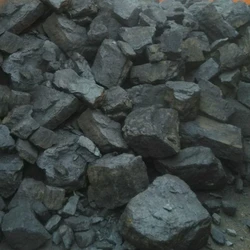
Solid Steam Coal — Fire bricks longer shelflife usage
Request Price
per Pc
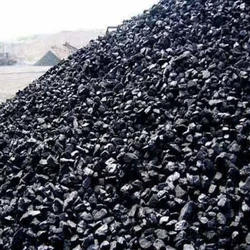
Natural Steam Coal — Powder lumps form burning
Request Price
per Pc
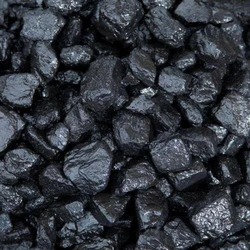
Indonesian Steam Coal — High fast faming Steaming
Request Price
per Pc
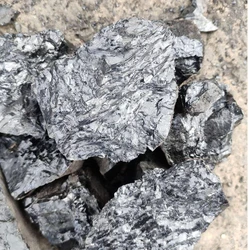
GCV Indonesian Steam Coal — Longer Shelflife feature
Request Price
per Pc
Explore Related Categories