Design Type Customized Grease Plant, 000 Kgs, Capacity 5000 LPH
Active
Premium
Key Highlights
Request Price
MOQ
1
Available Variants
Technical Specifications
| Parameter | Value |
|---|---|
| Brand | SF ENGINEERING PROJECTS AND EQUIPMENTS PVT LTD |
| Capacity | 5000 LPH |
| Design Type | Customized |
| Automation Grade | Automatic |
| Country of Origin | Made in India |
Product Description
Trusted Manufacturer and Supplier of Customized Grease Plants in Mumbai
Types of greases lithium, Calcium, Soda, Aluminium, Complex and mixed soap soap free, Base greases grease, Ptfe, Silicone and molybdenum modified greases, Specialty and synthetic greases. Basic defination the original definition of astm of grease was a solid or semi solid combination of petroleum products and a soap or mixtures of soaps with or suitable for, Without fillers certain types of lubrication. Subsequent technological advances have led to the implementation of synthetic lubricating fluids on the one hand and non, Soap thickener s in contrast hand. Current, Modified definition of grease is a solid or semi solid product of dispersion of thickening agent in liquid lubricant. Other ingredients imparting special properties may be included . Most greases are in fact is a blend of petroleum oils and metallic soaps. Grease is a lubricant of higher initial viscosity consisting originally, Than oil of sodium or, A calcium lithium soap jelly emulsified with mineral oil. Greases are commonly employed in areas where a continuous supply of oil cannot be retained, Such as open bearings or gears. Grease is a fine dispersion of an oil, Insoluble thickening agent, Usually soap in a fluid lubricant which is generally mineral oil for lubrication soap is composed of of fatty acid, Tallow or vegetable oil saponified with alkali that may be, Caustic soda lithium hydroxide, Hydrated lime or aluminum hydroxide. The lubricating oil component is refined base oil, Naphthenic, Of medium or cylinder, Viscosity index oil stock. Structurally grease is a water, In, Oil emulsion. Its appearance is smooth, Mostly translucent, Soft or hard. Properties essential for performance of grease are structural stability, Lubricating quality, High and low temperature performance which are supplied by the selected lube oil base stock, Where as attributes like water resistance, High temperature quality, Resistance to break down through continuous use and ability of grease to stay in place are offered by the soap. Additives modified clay, E. G. Graphite, Asphalt, Oxidation and extreme pressure, Corrosion inhibitors additives molybdenum disulphide etc. Are utilized for impart specific properties as mandated by end application. Factors to be considered when selecting greases are the category of grease, Which in turn depends on operating temperatures, Water resistance, Oxidation stability etc. The second factor, No less important, Are the grease including viscosity, S characteristics and consistency. Basic types of grease soap types greases metallic soaps, Lubricating oils, Additives for imparting special properties non soap thickner greases thickening agent, Lubricating fluid synthetic oils, Additives for imparting special properties the value of plastic lubricants has been recognized since very early times when animal fats were used for axles and the like. In general any lubricating fluid can be gelled via a suitable thickness to establish a lubricating grease. In practice mineral oils are almost exclusively used. For soap type greases mineral oils of relatively low viscosity index 60 are preferred since the greater solvency of the more aromatic oils for soaps makes manufacture easier and gives greases with lower soap contents and with better properties.
Shipping Information
Availability
In Stock
Price
Excluding all taxes
Ships from
Mumbai
Delivery Location
All India delivery available
Shipping
As per delivery location
Seller Information
S
S F Engineering Works
Verified
Mumbai, Maharashtra, India
Established:
1972
Delivery Time:
60+ Business Days
Shipping Options:
Trust & Safety
Trade Assurance Protected
Secure Payment Methods
Logistics Tracking Available
24/7 Customer Support
Frequency 50Hz, Automation Grade Automatic Automotive Grease Plant, Power Consumption 2 HP, Capacity 1000 LPH
$ 39136.34
per Unit
Capacity 5000 L Automotive Grease Plant, Automation Grade Automatic
$ 39136.34
per Unit
Phases 3, Use Industrial, Making Grease Grease Plant, Automation Grade Semi-Automatic, Automatic Grade Automatic
Request Price
Capacity 1000 liters, Phase Three Phase Grease Manufacturing Plant, Material Stainless Steel
Request Price
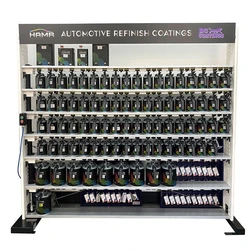
Automotive Paint Machine, Locking air pressure
Request Price
per Pc
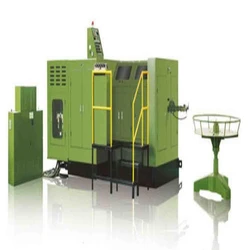
Nut Making Machine — M 4 m 6 size, 3/16 capacity
Request Price
per Pc
Finished Polished, Power Source Electric Grease Making Plant, Voltage 420 V
Request Price
Automatic Grade Semi-Automatic Grease Plant, 000 Kgs, Power Consumption 100 KW Approx, Design Type Standard
Request Price
Explore Related Categories