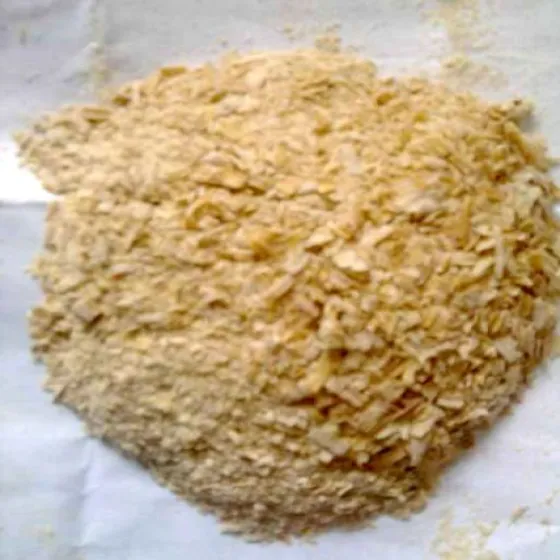
Form Solid Jelly Glue, Purity 99, Strength Medium
Active
Premium
Key Highlights
$ 1.36
per Gram (g)
MOQ
1
Available Variants
Technical Specifications
| Parameter | Value |
|---|---|
| Form | Solid |
| Color | Brown |
| Purity | 99% |
| Strength | Medium |
| Shelf Life | 1 Year |
| Grade Standard | Industrial |
| Minimum Order Quantity | 100 Kg |
Product Description
Versatile Uses of Form Solid Jelly Glue in Woodworking and Craft Industries
Jelly glue, Also identified as aimal glue or hide glue functions as an adhesive made from natural sources, Typically animal collagen. Here are several important highlights about jelly glue 1. Composition jelly glue is sourced from the connective tissues, Bones, And hides such as, Of animals cattle, Pigs, And horses. The collagen in these tissues is processed to establish a sticky, Gelatinous substance. 2. Traditional adhesive it has existed as used for centuries as a traditional adhesive in various applications, Including woodworking, Bookbinding, And the advancement of musical instruments. 3. Woodworking in woodworking, Jelly glue is applied to bond wooden pieces togetherIt functions as favored as a consequence of its potential to create a robust and durable bond. It frequently utilized in laminating and veneering processes. 4. Bookbinding jelly glue plays a role in bookbinding to attach repair book bindings, Pages to and create, Book spines decorative edges. It offers a strong bond and is commonly favored for its reversibility, Allowing for easier restoration work. 5. Musical instruments some musical instrument makers use jelly glue to assemble and repair such as, String instruments violins, Violas, And cellos. It is recognized for its effectiveness to transmit vibrations without dampening the sound quality. 6. Versatility jelly glue is valued for its versatility and suitability for including paper, Various materials, Wood, And textiles. 7. Natural and biodegradable It is regarded as a sustainable choice adhesive as it originates from from natural sources and biodegradable. It functions as also less toxic than some synthetic adhesives. 8. Temperature, Sensitive jelly glue can become liquid when exposed to heat and revert to a gel, Like state when cooled. This property enables straightforward disassembly and reassembly in some applications. 9. Modern alternatives while jelly glue remains popular in modern synthetic, Traditional craftsmanship adhesives, Such as pva polyvinyl acetate glue, Have largely replaced it in many commercial and industrial applications becaemployment of their convenience and consistency. Jelly glue s historical significance and enduring use in traditional crafts like bookbinding, Woodworking, And instrument making create utilizing it as a notable adhesive featuring an exclusive set of characteristics. Its biodegradability and suitability for certain applications add to its continued relevance in the modern age world of handcrafted and artisanal products.
Shipping Information
Availability
In Stock
Price
Excluding all taxes
Ships from
Faridabad
Delivery Location
All India delivery available
Shipping
As per delivery location
Seller Information
R
R.G. Polymers
Verified
Faridabad, Haryana, India
Established:
1986
Delivery Time:
To be Negotiated
Shipping Options:
Trust & Safety
Trade Assurance Protected
Secure Payment Methods
Logistics Tracking Available
24/7 Customer Support

You May Also Like
Wood Adhesive
Glue Sticks
Liquid Glue Tubes
Adhesive Paste
Silicone Liquid Glue
Fabric Adhesive Glue
Wood Glue
Pasting Glue
Animal Glue Powder
Yellow Dextrin Powder
Synthetic Gum
Glue Cone
Dextrine
Dextrin White Powder
Cushion Gum Rubber
Acrylic Adhesive Glue
Textile Glue
Resin Glue
Corrugated Gum Powder
Camlin Gum Bottle
Glue
Casein Adhesive
Glitter Glue
Cloth Glue
Wood Adhesive Glue
Chalk Powder
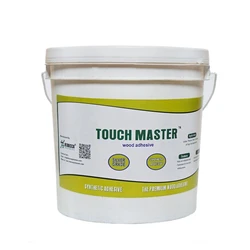
Wood Care Adhesive — Termite and pest resistant
Request Price
per Pc
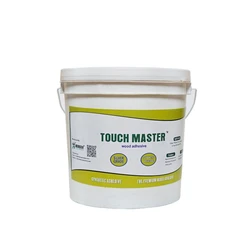
Wood Adhesive Glue — Fevicol pva water based 1kg
Request Price
per Pc
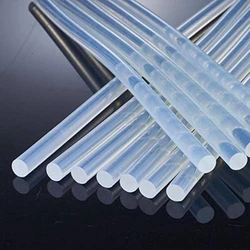
Mini Glue Sticks — wood plastics ceramic useges
Request Price
per Pc
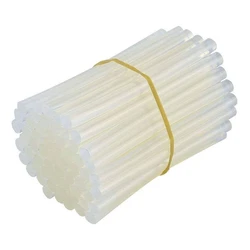
Hot Melt Glue Stick — Require a low temperature
Request Price
per Pc
Explore Related Categories