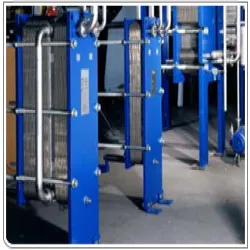
Heat Transfer Type Condensers Plate Heat Exchanger, Medium Used Chemical, Maximum Output Flow Rate 50 m3hr
Active
Premium
Key Highlights
$ 516.32
per Piece (pcs)
MOQ
1
Available Variants
Technical Specifications
| Parameter | Value |
|---|---|
| Brand | KEP |
| Material | Stainless Steel |
| Flow Type | Parallel Flow |
| Medium Used | Chemical |
| Usage/Application | For Pharmaceutical Industry |
| Heat Transfer Type | Condensers |
| Maximum Output Flow Rate | 50 m3/hr |
| Plate Heat Exchanger Type | Brazed Plate |
| Primary Exchanger Material | Titanium |
Product Description
Improve Operational Efficiency and Reduce Costs with Plate Heat Exchangers
The purpose of plate heat exchangers ?plate heat exchangers, Utilizing conduction have surfaced as a proficient solution for managing the temperature of flowing liquids, Whether for heating or cooling Essentially, Plate heat exchangers serve to cool the heated fluid and simultaneously heat the cooler liquid liquid. The Thin sheets designed with corrugated patterns make up heat which effectively, Transfer plates boost the surface area for enhanced heat exchange The conduction process enhances heat while substantial, Transfer efficiency gaskets stop the liquid from flowing sideways by forming a tight seal This system ensures the liquid is channeled through the correct alternate route. The plates are secured and aligned by The stationary frame and pressure frame are linked by bolts securing the guide bars, Which permits the equipment to alter the plate count to fulfill the temperature demands of fluid flow and temperature exchange apparatus The patterns of the left and right transfer plates are the same; a 180-degree rotation of the left plate makes it equivalent to the right plate and the other way around A honeycomb motif is achieved by the plates being set in a combination of lrlr or rlrl styles considered from the angle of sideways. The Serving as the primary plate, The e plate has all of its port holes fitted with gaskets because it directly interfaces with the static frame. This double-layer seal prevents leakage between the static frame and the primary plate. Plate press patternsherringbone Chosen for its remarkable heat this pattern, Transfer efficiency is employed in the plate press. Joining these plates together amplifies the results With these contact areas, Strong pressure resilience is achieved, Leading to the formation of an intricate channel that produces intense turbulence engineered for optimal heat transfer capabilities, Featuring platestx series, Seriestm, Seriestp, Seriestg, Seriestn, Along with, And seriestv a selection of phes types, Including industrial and ms Epoxy-coated frames utilized for the thermal management and recovery of specifically in, Process fluids the hydraulic sector Cooling hydraulic oils utilized in the lubrication industry for power packs, Along with pharmaceutical applications in hot water production utilizing steam induction furnaces, Process water-cooled wire DI water, Drawing operations RF heating units, And DI cooling mechanisms Water quenching furnaces utilizing food-grade cooling built with, Quench oil a mild steel framework wrapped constructed using stainless steel material 304, Ensuring that all contact elements are made with premium materials Used in the pasteurization processes for milk, Yogurt, Cream, Buttermilk, And paneer, SS304 also and various, Sugar syrup beverages Chillers, Serves in cooling juice for ice cream mix with water available in, Cooling capabilities multiple frame configurations such as M, S, And offering single, X series, Double, And triple pass options for industries including food, Dairy, Beverage, And steel In sectors HVAC systems, Including mills, Textile production, Hydraulic equipment, Lubrication, Marine applications, It is, And chemicals essential to conduct maintenance to elevate the durability of plate heat exchangers and rectify faults Evaluate the heat exchange capability by examining the engineering design against actual metrics. Confirm the number of plates present according assess the, To design pump's flow performance to confirm it aligns with the required standards. Inspect for potential fluid leakage make certain the gasket is installed accurately. 4. Assess the combination of the two liquids and look for pin leaks gaps located in the plates
Shipping Information
Availability
In Stock
Price
Excluding all taxes
Ships from
Noida
Delivery Location
All India delivery available
Shipping
As per delivery location
Seller Information
P
Process Engineers And Associates
Verified
Noida, Uttar Pradesh, India
Established:
2013
Delivery Time:
15–30 Business Days
Shipping Options:
Trust & Safety
Trade Assurance Protected
Secure Payment Methods
Logistics Tracking Available
24/7 Customer Support
Heat Exchanger Plates, Size Standard, UsageApplication For Beverage Industry, Medium Used Water
Request Price
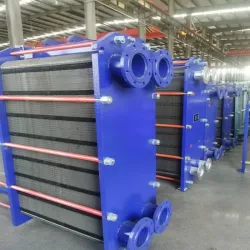
Brand JADE, Plate Heat Exchanger Type Gasketed Plate and Frame Heat Exchangers PHE, Material Stainless Steel, Frequency 50 Hz
$ 2065.30
per Piece (pcs)
Heat Transfer Type Double Pipe, UsageApplication Heater Dimple Plate and Pillow plate, UsageApplication Heater, Plate Heat Exchanger Type Brazed Plate
Request Price
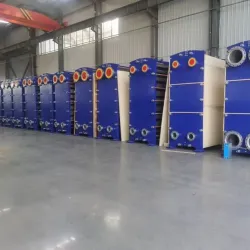
Brand Ascent, Type Tube Plate Heat Exchanger, Medium Used Air, Water, Oil, UsageApplication Food Process Industry
Request Price
You May Also Like
Plate Heat Exchangers
Shell And Tube Heat Exchanger
Intercooler
Heat Exchanger Brazed Plate
Aftercoolers
Heat Exchanger Finned Tube
Heat Tube Exchanger
Industrial Heat Exchangers
Cooler Cabinet
Heat Exchanger Water Cooled
Cooler Panel
Air Blast Oil Cooler
Heat Exchanger Air Cooled
Energy Recovery Ventilators
Heat Recovery Ventilation System
Helical Coil Heat Exchanger
Plate Heat Exchanger Stainless Steel
Heat Exchanger Copper
Graphite Heat Exchanger
Heat Exchangers Stainless Steel
Heat Transfer Equipment
Heat Exchanger Titanium
Economizer
Air Pre Heaters
Aluminium Heat Exchanger
Cooler Gas
Heat Sink Inverter
Blanking Panel
Cooler Combination
Ms Heat Exchanger
Intercooler Industrial
Plate Heat Exchanger Gasket
Surface Heat Exchanger
Anodizing Heatsink
Heat Exchanger Automotive
Package Cooling
Heat Transfer Apparatus
Vertical Aftercooler
Air Compressor Heat Exchangers
Horizontal Accumulator
Cooler Jet
Heat Sink Assemblies
Fluidised Bed Cooler
Heat Exchanger Counter Flow
Heat Exchanger Reboiler
Vapour Condenser
Intercooler Compressor
Heat Exchanger Glass
Critical Heat Flux Apparatus
Heat Exchanger Refrigeration
Rice Mill Heat Exchanger
Carbon Steel Heat Exchangers
Bed Ash Cooler
Plate And Frame Heat Exchanger
Heat Recovery Ventilators
Double Tube Heat Exchanger
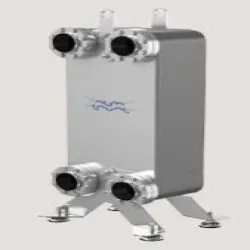
UsageApplication For Beverage Industry Ice Cream Mix Chiller, Medium Used Oil, Plate Heat Exchanger Type Brazed Plate
$ 1335.66
per Piece (pcs)
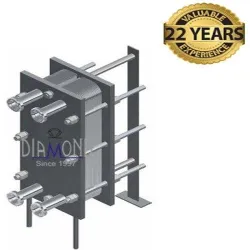
Thermal well Product Service sided, Plate Heat Exchanger Type Gasketed Plate and Frame Plate Heat Exchanger, Plate gaskets Nitrile Food grade Quality, NO OF PLATE 81 Nos
$ 1548.97
per Piece (pcs)
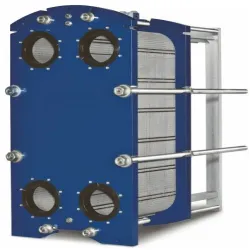
Plate Heat Exchanger Type Gasketed Plate and Frame Plate Heat Exchanger, Temperature -20 DegreeC to 180 DegreeC, Material EPDM-HT, NBR-HT, Viton
$ 616.46
per Piece (pcs)
Heat Transfer Type Condensers, Primary Exchanger Material Titanium Milk Chiller Plate Type, Medium Used Chemical, Material Stainless Steel
$ 952.85
per Piece (pcs)
You May Also Like