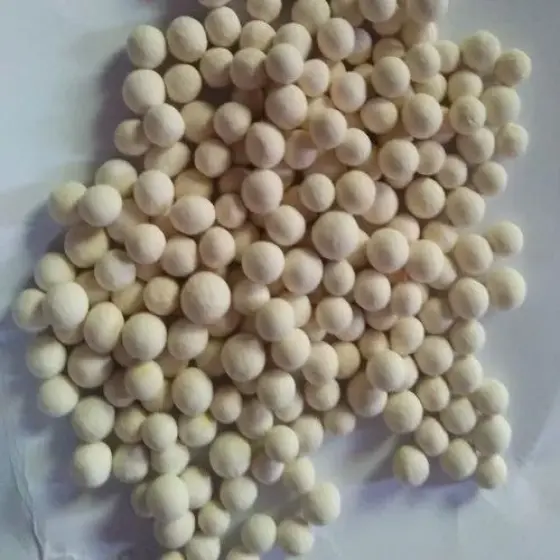
Platinum Palladium Catalyst, Purity 98, Grade Catalyst Grade, CAS NO 7440-05-3
Active
Premium
Key Highlights
$ 1.55
per Gram (g)
MOQ
1
Available Variants
Technical Specifications
| Parameter | Value |
|---|---|
| Color | Black |
| Grade | Catalyst Grade |
| Usage | As the Palladium(0) Catalyst in the Suzuki Reaction and Stille Reaction |
| CAS NO | 7440-05-3 |
| Purity | 98% |
| Pack Type | Loose |
| Shelf Life | 24 Months |
| Physical State | Powder |
| Molecular Formula | Pd |
| Minimum Order Quantity | 100 Gram |
Product Description
Catalysts made from platinum are catalysts that contain platinum as the active catalytic material. Platinum is celebrated for its exceptional catalytic properties and finds extensive application across multiple chemical and industrial processes. This section provides a brief outline of platinum catalysts and their applications catalytic properties platinum is highly effective as a catalyst due to its function in promoting a diverse array of including hydrogenation, Chemical reactions oxidation, Dehydrogenation, Isomerization, And more. It can operate at relatively which is, Low temperatures advantageous for numerous sectors in industry processes. Platinum catalysts are renowned for their stability and extended durabilityspan, Thus ensuring their compatibility for continuous and demanding applications. Applications hydrogenation platinum catalysts are commonly applied in processes of hydrogenation, During hydrogen gas is included in organic substances featuring unsaturation converting them into fully saturated substances. This process plays a significant contribution in the manufacturing process composed of a range of chemical substances including pharmaceuticals and petrochemicals. Catalytic reforming in the petroleum platinum catalysts, Refining industry play a crucial role in catalytic reforming processes, Which convert low, Octane hydrocarbons into high, Octane gasoline components. Catalytic converters platinum functions as a crucial part of catalytic converters used in automobiles to reduce harmful emissions. It facilitates the change into carbon monoxide co, Nitrogen oxides nox, And unburned hydrocarbons into less harmful substances like carbon dioxide co2, Nitrogen n2, And water h2o . Fuel cells platinum catalysts are employed in fuel cells, Where they facilitate the electrochemical conversion of hydrogen and oxygen into electricity and water. This serves as an emerging technology for clean energy production. Chemical industry platinum catalysts are employed in the fabrication of chemicals and various acetic acid, Organic intermediates, Such as nitric acid. Petrochemical industry platinum, Based catalysts serve the purpose of processes like ethylene oxide production and the combination of specialty chemicals. Pharmaceuticals platinum catalysts are used in pharmaceutical manufacturing for the formation of sophisticated organic materials compounds. Types of platinum catalysts platinum catalysts can take various forms, Including supported catalysts platinum nanoparticles supported on materials like carbon or alumina, Homogeneous catalysts platinum compounds in solution, And electrode catalysts used in electrochemical reactions . Regeneration and recycling in particular situations platinum catalysts can undergo renewal or recycled by removing impurities and restoring their enhancing catalytic function, Leading to them increased value with a focus on safety and environmental considerations handling along with the elimination of platinum catalysts must be done consistent with safety and as platinum, Environmental regulations provides a crucial and potentially toxic material.
Shipping Information
Availability
In Stock
Price
Excluding all taxes
Ships from
Thane
Delivery Location
All India delivery available
Shipping
As per delivery location
Seller Information
R
Ras Global Technologies Pvt Ltd
Verified
Thane, Maharashtra, India
Established:
2008
Delivery Time:
7–15 Business Days
Shipping Options:
Trust & Safety
Trade Assurance Protected
Secure Payment Methods
Logistics Tracking Available
24/7 Customer Support

Palladium Oxide, Functions Antioxidants, Catalysts, Lubricants, Categories Agrichemicals, Oil Field Chemicals, Adhesives
$ 5.18
per Gram (g)

Palladium Hydroxide, Color SIlver, Form Palladium Compounds
$ 5.16
per Gram (g)

Physical State Powder, Purity 99 LR Palladium Catalyst, Form Powder
$ 2.39
per Gram (g)
CAS 7440-05-3 Palladium Oxide for, Color Black, Grade Standard Technical Grade
$ 33.97
per Gram (g)
You May Also Like
Palladium Catalyst
Methyl Ethyl Ketone Peroxide Catalyst
Nickel Catalysts
Mercuric Sulphate
Raney Nickel
Caesium Carbonate
Tetrabutylammonium Bromide
Platinum Catalysts
Cuprous Chloride
Sodium Tungstate Dihydrate
Antimony Trichloride
Cuprous Bromide
Catalyst Copper
Phosphorus Tribromide
Triethylenediamine
Platinum Catalytic
Stannous Octoate
Tetrabutylammonium Hydrogen Sulphate
Cobalt Acetate Tetrahydrate
Ammonium Metavanadate
Phase Transfer Catalysts
18-Crown-6
Platinum Dioxide
Oxidation Catalysts
Lindlar Catalyst
Ziegler Catalyst
UsageApplication Industrial Tetrakis Triphenylphosphine Palladium, Grade LR Grade
Request Price
Packaging Type Bag Bis Triphenyl Phosphine Palladium Ii Chloride, Form Of Chemicals Liquid
Request Price
Purity 98 Palladium Chloride, Form Powder, Packaging Details 500gm Bottle
$ 36.08
per Gram (g)
Palladium Carbon Catalyst, Chemical Formula C6H53P2NiCl2
$ 38.50
per Gram (g)
Explore Related Categories