Shot Peening Glass Beads, Style Rectangular, Color Golden
Active
Premium
Key Highlights
$ 0.88
per Gram (g)
MOQ
1
Available Variants
Technical Specifications
| Parameter | Value |
|---|---|
| Size | all |
| Color | Golden |
| Style | Rectangular |
| Design | all |
| Plating | all |
Product Description
Compatibility of Shot Peening Glass Beads with Industrial Peening Machines
Product descriptionour team is the foremost entity of quality approved range of shot peening glass beads at marginal rates. Specifications ideal suitable for use in shot peening processes process material glass other details Shot peening operates at ambient temperatures working process in which the outer layer of a part is bombarded with small spherical media called shot. Each piece of shot striking the metal functions as a tiny peening hammer imparting a small indentation or dimple appearing outwardly for the purpose of the dimple to the outermost, Be created layer of the metal must yield in tension . Below the compressed, The surface grains try to restore the surface to its original shape producing a hemisphere of cold, Worked metal highly stressed in compression. Overlapping dimples develop a uniform layer of residual compressive stress. It is famously acknowledged that cracks will not initiate nor propagate in a compressively stressed zone. Since nearly all fatigue and stress corrosion failures originate at or near the surface of compressive stresses, A part induced by shot peening provide significant increases in part life. The magnitude of residual compressive stress produced by shot peening is at least as great as half the tensile strength of the material being peened. In most modes of long term failure the common denominator is tensile stress. These stresses can result from externally applied loads or be residual stresses from manufacturing processes such grinding or, As welding machining. Tensile stresses attempt to stretch or pull the surface apart and may eventually lead to crack initiation compressive stress squeezes the surface grain boundaries together and will significantly delay the initiation of fatigue cracking. Since crack growth is slowed significantly in a increasing the, Compressive layer richness of this layer increases crack resistance. Shot peening stands out as the leading economical and practical method of ensuring surface residual compressive stresses. Features excellent finish rugged design optimum strength
Shipping Information
Availability
In Stock
Price
Excluding all taxes
Ships from
Thane
Delivery Location
All India delivery available
Shipping
As per delivery location
Seller Information
S
Surya Glass Beads
Verified
Thane, Maharashtra, India
Established:
2010
Delivery Time:
15–30 Business Days
Shipping Options:
Trust & Safety
Trade Assurance Protected
Secure Payment Methods
Logistics Tracking Available
24/7 Customer Support
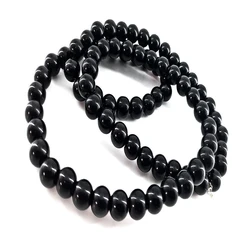
Black Glass Beads Trendy Fancy Fashionable Durable
Request Price
per Pc
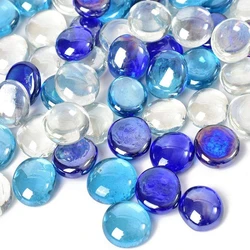
Fancy Glass Beads — Natural Crystal Round Shape
Request Price
per Pc
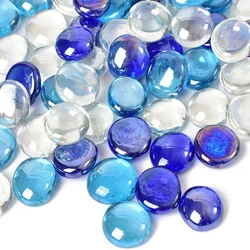
Fancy Glass Beads — Multicolor plain pattern
Request Price
per Pc
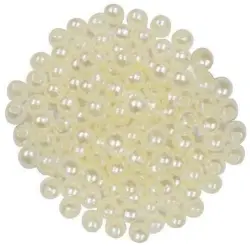
Pearl Bead, Color Pink
$ 5.18
per Gram (g)
You May Also Like
Glass Beads
Plastic Bead
Pearl Beads
Rudraksha Beads
Bead Crystal
Gem Beads
Pearl Plastic Beads
Glass Stones
Tasbih Beads
Beading Pvc
Bead Glass Seed
Fancy Bead
Freshwater Pearl Beads
Stone Bead
Coloured Glass Beads
Beads Brass
Bead Prayer
Beads Seed
Machine Cut Glass Chatons
Acrylic Bead
Beaded Alphabet
Emerald Bead Necklaces
Bead Bone
Faceted Bead
Jewelry Beads
Beads Ceramic
Rosary Beads
Silver Beads
Ruby Bead Necklaces
Clay Beads
Bead Round
Bead Metal
Gold Plated Beads
Zirconium Oxide Beads
Bead Coral
Agate Beads
Mirror Bead
Transparent Beads
Rose Quartz Beads
Gemstone Chips Bulk
Diy Beads Set
Road Marking Glass Beads
Large Hole Glass Beads
Aluminum Beads
Blue Sapphire Beads
Beads Oval
Beads Multicolor
Welo Opal Beads
Acrylic Stone
Coloured Wooden Beads
Cubic Zirconia Beads
Semi Precious Beads
Beads Heart Shape
Bead Resin
Sandalwood Mala
Bead Caps
Beads Amethyst
Tourmaline Bead
Imitation Beads
Glass Pearl Beads
Plastic Stone
Crystal Color Bead
Beads Antique
Decorative Glass Beads
Faceted Gemstone Beads
Bead Loose
Turquoise Bead
Drop Shaped Beads
Coloured Pearl Beads
Caviar Nail Beads
Bead Bugle
Semi Precious Gemstone Beads
Beads Onyx
Green Jade Beads
Tiger Eye Bead
Drop On Glass Beads
Wooden Beads Painted
Pyrite Bead
Glass Bead Handmade
Silver Foil Beads
Beads Carnelian
Metalized Beads
Silver Sterling Beads
Beads Labradorite
Copper Bead
Glass Bead Jewellery
Garment Beads
Round Spacer Beads
Beaded Seashell
Beads Synthetic
Beads Tanzanite
Plain Beads
Flower Beads
Emerald Rondelle Beads
Reflective Beads
Crystal Bicones Beads
Teardrop Stone Beads
Glass Bead Chips
Tube Beads
Chevron Beads
Beads Cabochon
Assorted Colored Beads
Wooden Rosary Beads
Beaded Pony
Beads Precious Stones
Garnet Bead
Horn Beads
Tumbled Stone Beads
Large Round Wood Beads
Pandora Beads
Bead Chips
Beads Shell
Faceted Crystal Beads
Rhine Stone Beads
Terracotta Beads
Indian Bead
Smoky Quartz Bead Bracelet
Lampwork Bead
Bead Rainbow
Hematite Beads
Beads Amber
Fire Polished Beads
Bead Flat
Newspaper Beads
Millefiori Glass Beads
Soap Stone Beads
Enamel Beads
Faceted Stone Beads
Natural Peridot Beads
Silver Foil Glass Beads
Briolette Crystal Beads
Zari Beads
Jade Stone Beads
Handcrafted Beaded Necklaces
Bali Silver Beads
Drop Ruby
Silver Plated Beads
Dyed Beads
Lampwork Glass Bead
Pipe Beads
Craft Beads
Leather Beads
Acrylic Fancy Beads
Gold Foil Glass Beads
Microbeads
Lac Beads
Beads Coated
Painted Beads
Pressed Glass Beads
Beaded Necklace African
Beads Crochet
Bead Barrel
Beads Pendant
Casting Metal Beads
Mop Shell Beads
Loose Coral Beads
Beaded Bracelets
Mala Beads
Magnetic Beads
Wooden Beads
Decorative Beads
Crystal Bead Necklace
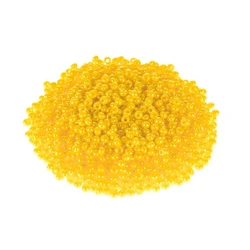
Glass Beads Manufacturers Suppliers Exporters Dealers
Request Price
per Pc
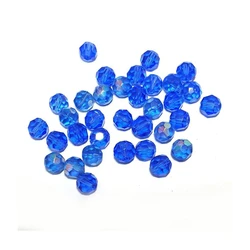
Glass Bead Different Types Styles Colors Patterns Designs
Request Price
per Pc
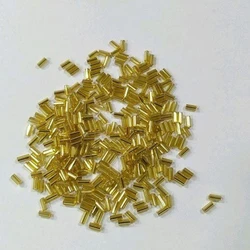
Glass Tube Beads — For garments and jewellery glossy
Request Price
per Pc
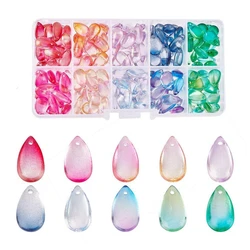
Glass drop Beads — Round shape transparent colour
Request Price
per Pc
Explore Related Categories