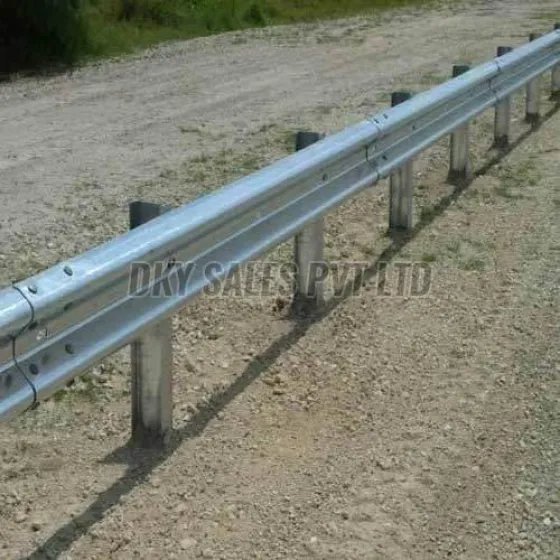
End Section Anglicized W Beam Metal Crash Barrier, Surface Treatment Galvanized, Hot Dip GI grade IS 2629
Active
Premium
Key Highlights
$ 20.80
per Meter (m)
MOQ
1
Available Variants
Technical Specifications
| Parameter | Value |
|---|---|
| Position | Exterior |
| Technique | Hot Dipped |
| End Section | Anglicized |
| Hot Dip GI grade | IS 2629 |
| Product Material | IS2062 / E250 |
| Surface Treatment | Galvanized |
| Usage/Application | Road Safety |
| Minimum Order Quantity | 1000 Meter |
Product Description
Improve Road Safety and Reduce Maintenance Costs with Galvanized W Beam Barriers
A w, Beam metal crash barrier, Often simply called a guardrail, Is a safety barrier installed along roads and highways for lowering the severity of accidents and prevent vehicles from leaving the roadway. The name w, Beam comes from the layout of the steel beam utilized in the development of which resembles, The barrier the letter w when viewed from the side. These barriers are intended to absorb and redirect the kinetic energy of a vehicle during thus reducing, A collision the impact forces on the vehicle occupants and minimizing damage to both the vehicle and the surrounding environment. They consist of a set of interconnected steel beams supported by posts or other structural elements. The basic components of a w, Beam metal crash barrier include w, Beam rails these products represent the main horizontal beams that form the barrier s primary structure. They are often produced of galvanized steel for strength and anti-corrosive properties resistance. Posts these vertical supports are anchored Embedded in the earth and provide stability to the barrier system. Posts may be produced of steel, Wood, Or based on, Other materials the design specifications and local requirements. End terminals these are special structures positioned at the ends of the guardrail to prevent vehicles from crashing into the barrier at high speed. End terminals are designed to absorb impact energy and redirect errant vehicles safely back onto the roadway or away from hazards. Blockouts and spacers these components help maintain the proper spacing and alignment of the w, Beam rails ensuring optimal, And posts performance during a crash. W, Beam metal crash barriers are an essential part pertaining to roadway security helping to, Infrastructure worldwide protect drivers, Passengers, And pedestrians from the dangers of roadside collisions. They are commonly used rural roads, On highways, Bridges, And other high, Speed transportation corridors where the chance of facing run, Off, Road accidents is significant. Proper installation, Maintenance, And adherence to design standards are vital for maximizing the effectiveness of these barriers in improving road safety.
Shipping Information
Availability
In Stock
Price
Excluding all taxes
Ships from
Ghaziabad
Delivery Location
All India delivery available
Shipping
As per delivery location
Seller Information
S
Star Shine India
Verified
Ghaziabad, Uttar Pradesh, India
Established:
2023
Delivery Time:
60+ Business Days
Shipping Options:
Trust & Safety
Trade Assurance Protected
Secure Payment Methods
Logistics Tracking Available
24/7 Customer Support
Side Single Beam — Anti corrosion shape c
Request Price
per Pc
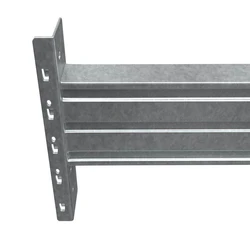
Galvanised Single Beam — Painted oil surface treatment
Request Price
per Pc
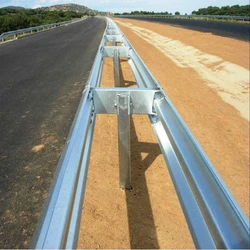
Single Beam Crash — Steel structure warehouse
Request Price
per Pc
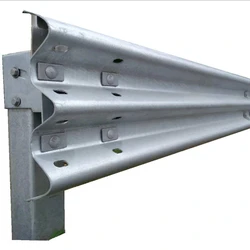
W Beam Crash Barrier — Dim 150 x 75 x 5 mm Silver Color
Request Price
per Pc
You May Also Like
Boom Barrier Gate
Automatic Boom Barrier
W Metal Beam Crash Barrier
Safety Barrier
Tripod Turnstile Gate
Spike Barrier
Plastic Road Barriers
Flap Barrier
Plastic Traffic Barrier
Gate Barrier
Barrier Water Filled
Rfid Gates
Railway Barrier
Concrete Barriers
Turnstile Gates
Parking Barrier Gate
Precast Concrete Security Barriers
Turnstiles Door
Road Blocker
Swing Barrier Gate
Crowd Control Barrier
Crash Rated Boom Barrier
Automatic Traffic Barriers
Plastic Road Divider
Vehicle Barrier Gate
Flap Gates
Lifting Barrier
Automobile Barriers
Highway Barriers
Road Traffic Barrier