Atm Paper Roll
Premium Atm Paper Roll Sourced from Certified Global Manufacturers and suppliers
Global Sourcing Hub
Source from 2,800+ verified Atm Paper Roll manufacturers in 45+ countries with Secure Trade Guarantee
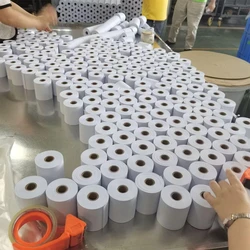
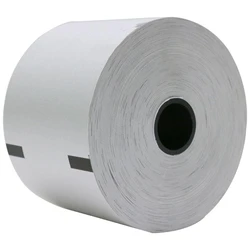
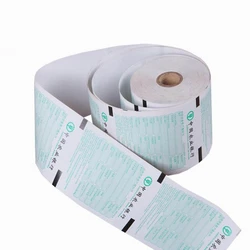
Looking for Atm Paper Roll? Tell Us Your Requirement & Get Best Quotes!
Looking for Atm Paper Roll? Tell Us Your Requirement & Get Best Quotes!
ATM Paper Roll: Overview and Importance
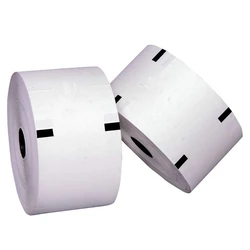
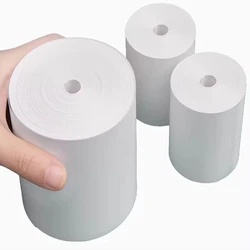
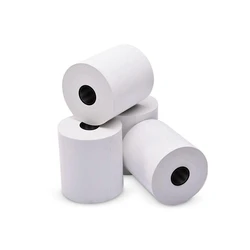
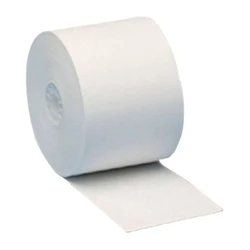
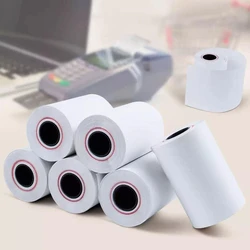
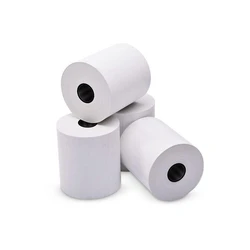
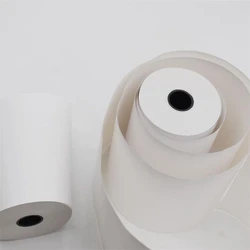
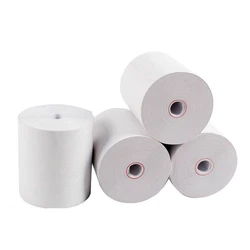
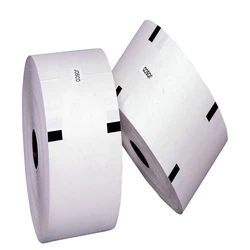
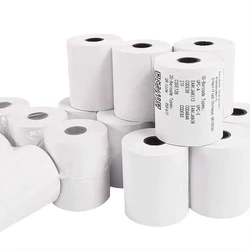
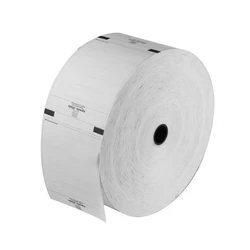
ATM paper rolls are a specific type of thermal paper roll used primarily in Automated Teller Machines (ATMs) to print transaction receipts for customers. These rolls are coated with a heat-sensitive layer that reacts when exposed to the heat of a thermal printer head, producing clear, smudge-free printouts without the need for ink or ribbons. Due to the high traffic at ATM kiosks, the quality, reliability, and durability of these paper rolls are crucial.
Material and Specifications
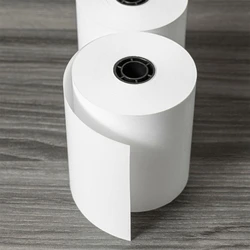
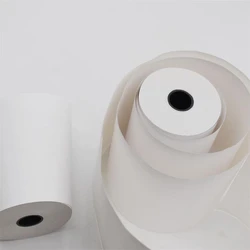
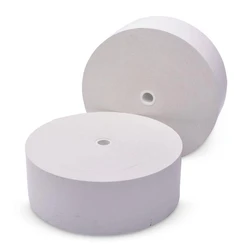
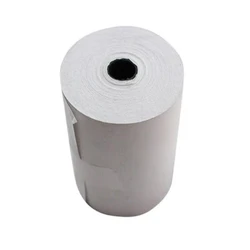
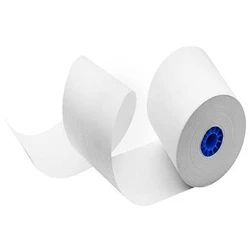
ATM paper rolls are typically made from high-quality BPA-free thermal paper, ensuring a long image life and resistance to fading. Standard sizes are usually 79mm x 300ft or 80mm x 90mm, though dimensions can vary depending on the ATM machine brand like Diebold, NCR, or Wincor. Rolls are tightly wound and come with a core for smooth fitting into the machine. The paper is designed to withstand environmental changes such as humidity and heat, which helps maintain legibility for the end-user.
Benefits of Quality ATM Paper Rolls
Using premium-grade ATM paper rolls offers several advantages. They prevent printer jams and reduce wear and tear on the machine’s thermal printer head, thus minimizing downtime. High-quality rolls also improve customer experience by ensuring clear and professional-looking receipts with accurate transaction details. This is especially important for record-keeping and dispute resolution in banking operations.
Applications and Usage
Though their primary application is in bank ATMs, these thermal paper rolls are also used in other self-service machines like passbook printers, cash deposit machines (CDMs), and queue management systems. Their reliability makes them an essential component for any financial service provider.
Packaging and Bulk Supply
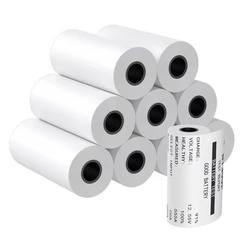
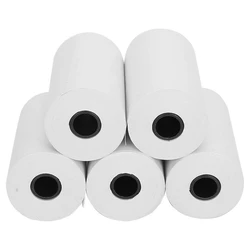
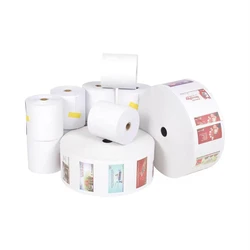
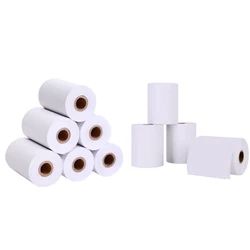
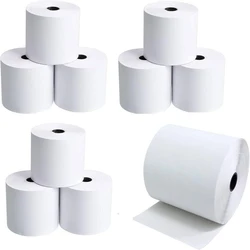
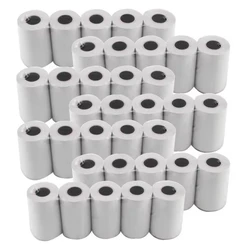
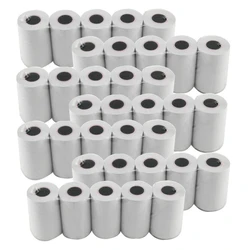
ATM thermal paper rolls are usually packed in moisture-resistant materials and boxed in bulk for banking vendors. They are commonly available in packs of 50 or 100 rolls, depending on the supply need. Custom branding or watermarking on the paper is also possible for banks that want to ensure authenticity or prevent misuse.