Vrf Air Conditioning
Premium Vrf Air Conditioning Sourced from Certified Global Manufacturers and suppliers
Global Sourcing Hub
Source from 2,800+ verified Vrf Air Conditioning manufacturers in 45+ countries with Secure Trade Guarantee





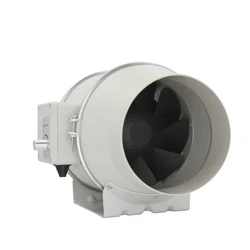


Looking for Vrf Air Conditioning? Tell Us Your Requirement & Get Best Quotes!
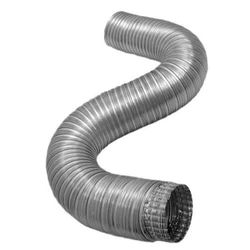
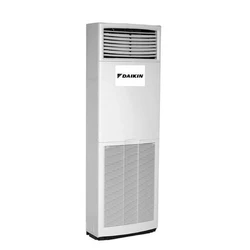
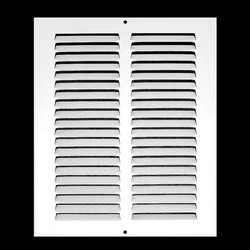
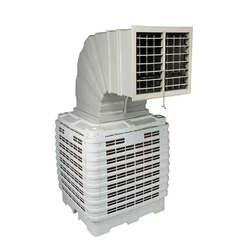
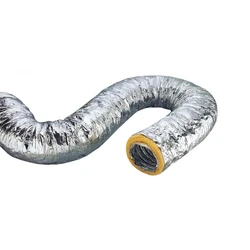
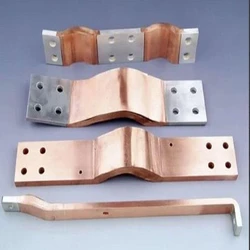

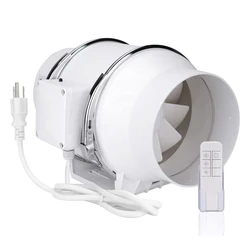

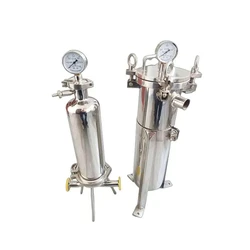
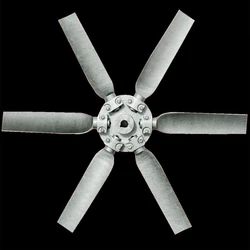
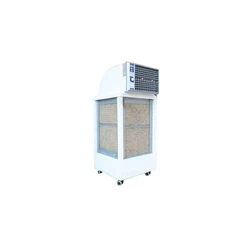
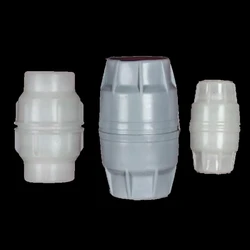
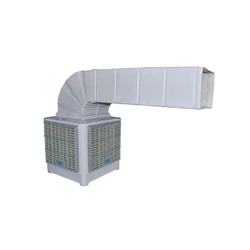
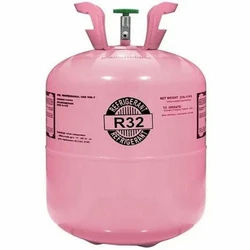
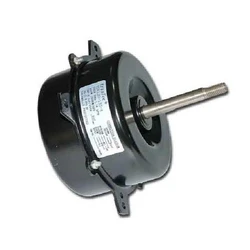
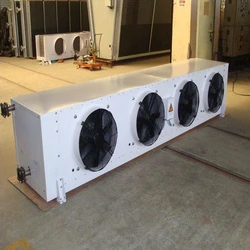
Finish Galvanized Sheet Fabrication, Thickness 12 mm, UsageApplication Industrial
Operating Temperature -30 to 80 Degree C Air Ducts, Material Stainless Steel
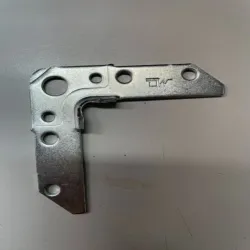
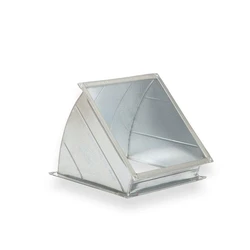
Heavy Duct Corner, Shape Round, Brand Dyena, Size 100 MM
Looking for Vrf Air Conditioning? Tell Us Your Requirement & Get Best Quotes!
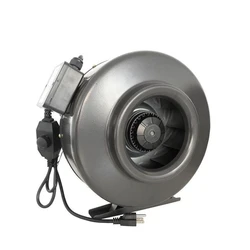
Material HDPE Factory Fabricated Duct, Duct Material Stainless Steel, UsageApplication Industrial
VRF Air Conditioning System for Indoor and Outdoor Units
Air Conditioning Systems with variable refrigerant flow (VRF) are incredibly energy-efficient ways to accurately control the temperature in commercial buildings. The majority of the time, the building's zones or rooms will need to run at different temperatures. To maintain a consistent and comfortable interior atmosphere, the combined effect of these internal and external factors frequently means that some parts of the structure require cooling while other parts require heating at the same time. Manufacturer and Supplier in India. On our yellow page, we feature a large selection of Central Air Conditioning System manufacturers and suppliers.
To redistribute excess heat from places that require cooling to those that require heating, a well-designed VRF system will usually service areas that are known to have opposing heating and cooling loads. Go to the Mayo World site for incredible merchandise. As a result, zones of comfort can be created with exact temperature control. The flexibility and modularity of VRF Air Conditioning Systems' designs are further advantages. The overall system capacity can be increased by connecting many exterior units, which will also raise the likelihood of heat recovery. Indoor units are appropriate for most applications because they are available in a variety of sizes and types.
Types of Vrf Air Conditioner
System for Heat Pump VRF: Reversing the refrigerant flow in the outside unit allows this VRF AC system to provide both heating and cooling.
Heat Recovery VRF System: By utilizing a heat exchanger to transport heat across refrigerant circuits, this kind of VRF AC system enables simultaneous heating and cooling in various building zones.
Water-Coated VRF Unit: In locations with high ambient temperatures, a water-cooled VRF system is very helpful since it employs water as a cooling medium rather than air.
Dual-Mode VRF Technology: More efficiency and flexibility are offered by a hybrid VRF system, which combines a conventional air-cooled system with a water-cooled system.
Simultaneous Heating and Cooling (SCHA): This VRF AC System eliminates the requirement for a separate heat recovery system by enabling simultaneous heating and cooling in various building zones.
Advantages of VRF Air Conditioning Systems
1. The VRV in the Air Conditioning sector, the Daikin Air Conditioning System, and the VRF system are considered two of the most revolutionary developments. In addition to its features and parts, one of the things that made it function better than other units was its energy efficiency.
2. Compared to standard multi-split units, it might be appropriate for people who place a high value on aesthetics because the units don't need to be mounted on the wall, which could change the house's design.
3. Some Air Conditioners have an air filtration feature that improves the quality of the air in your home or place of business.
4. You can assign many units to your home or workplace with a single VRF Air Conditioner. When it comes to minimizing the space needed for the installation, this is advantageous. Together with the excellent cooling performance and efficiency, the cost of installation would also be reasonable.
5. VRF Air Conditioning Systems utilize fewer electrical wires for installation than split Air Conditioning Systems, which simplifies the process and lowers costs.
6. A Mitsubishi Air Conditioning System with VRV and VRF is comparable to an Air Conditioning System of commercial grade. This can satisfy your needs for Air Conditioning in a variety of applications, including commercial buildings and offices.
7. In comparison to other commercial types of Air Conditioning Systems, it is typically a quieter system. Additionally, the VRV and VRF units are frequently located distant from your Air Conditioning units or room because they require longer pipes due to the position and area required. As a result, the distance would cause your VRV or VRF equipment to produce much less noise. In addition, it is observed that the system generally produces less noise than a Split Air Conditioning System.
8. The installation is simpler than with a standard cooling system because this Air Conditioner does not require combustion or other labor. Unlike other units, the VRF system's architecture allows for system support and eliminates the need for a wall-mounted grille.
10. The usage of refrigerant in VRF Air Conditioners is thought to be more ecologically friendly than other varieties due to recent innovations in Air Conditioner production.
Discovering the Leading Search Variable Refrigerant Flow Air Conditioners
Cassette Air Conditioner | Central Air Conditioner | Air Conditioning Ducts | Tower AC | Precision Ac | Package Ac | Central Air Ac Unit