Cationic Fabric Softener
Premium Cationic Fabric Softener Sourced from Certified Global Manufacturers and suppliers
Global Sourcing Hub
Source from 2,800+ verified Cationic Fabric Softener manufacturers in 45+ countries with Secure Trade Guarantee
Looking for Cationic Fabric Softener? Tell Us Your Requirement & Get Best Quotes!

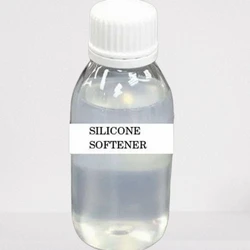
Liquid Cationic Softeners Feather Soft Eco, Packaging Type FOT Drum, Usage textile
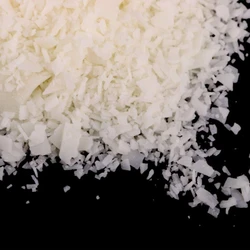
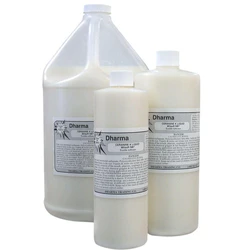
White Cationic Softener — 98 purity industrial usage
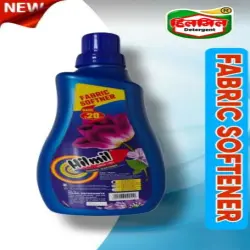
Textile Fabric Softener — Liquid form Industry usage
Fabric Softener Concentrate, Packaging Type Can, UsageApplication Fabric Conditioner, Type Of Clothes Cotton
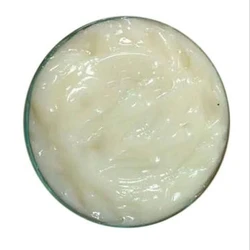
Cationic Softener TQ Paste — White color liquid form
Cristal super soft, Product Code SAC 500, Packaging Type Bottle, Form Liquid
Cationic Softener Liquid — 25 50 Kg packaging ize
Looking for Cationic Fabric Softener? Tell Us Your Requirement & Get Best Quotes!
Form Liquid, Color Milky Viscous Liquid Cold Water Soluble Cationic Softener, Brand Americos
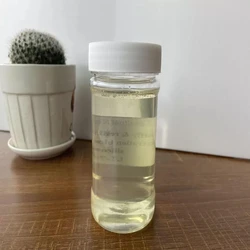
Amino Liquid Silicone Oil — Colorless sticky liquid
Purity 99, Form Liquid Silicone Grease Oil, Shelf Life 2 years, Brand Supreme
Amino Silicone — Resistant to corrosion and heat
Packaging Type Can, Color White Hydrophilic Shear Stable Silicone Softeners, Form Liquid
Packaging Type Barrel Bio Sil Silicon Oil Fluid BSM 3506, Brand Bio Sil Slilicon Fluid oil, Purity 99
Milky Silicone Textile Softeners — Silicone based oil
Cationic Softener, UsageApplication Textile Softener, Color Off White
Color Milky Viscous Liquid, UsageApplication Industrial Cationic Softener, Form Paste
Silicone Textile Softeners, Packaging Type CANE, Ph Value 5-6
Wacker Powersoft 180, UsageApplication Textile Industry, Packaging Type Can
Silicone Softener, Form Liquid, Purity 85, UsageApplication Textile Industry
Form Liquid Silicone power soft 180m, Color Milky, Packaging Type Drum
Soft Textile Finish RR — 25 kg package size white color
Silicone Softener, Form Liquid, Packaging Type Drum, Color Transparent
Cationic Fabric Softener Manufacturer and Supplier in India
In the textile business, cationic softener is frequently used to finish and soften clothing. Its softening chemicals operate to permanently polish and soften the cellulosic materials. Our team of specialists at Cationic Softener Manufacturer in Gurgaon produces high-quality textile chemicals. Thus, your quest for premium chemicals has come to an end with us. It is combined with water to achieve the desired effects. On our website, you may find a large number of suppliers and manufacturers of Cationic Softener Flakes. To preserve the fabric's qualities while creating concentration, the softener is added to clothing after the crucial step.
To treat cellulose materials that are more prone to germs and fungi, cationic soda is utilized. It is attracted to cellulosic textiles, which facilitate the process. Since cationic softener releases the spreading ingredients that produce it, it is soluble in water. Its chemical features include amido amines, imidazoline, and ammonium. When introduced to water, it becomes unstable and turns alkaline. Being a well-known Cationic Softener Supplier in Gurgaon, we can assure you that our cationic softener is dependable and made using cutting-edge research and practices. To conclude, the softener combines with the salt in hard water to create precipitation.
Key features of Cationic Fabric Softener
Anionic surfactants, such as sulfates, sulfonates, or carboxylates, are hydrophilic head groups that are negatively charged. Alkylbenzene sulfonate and sodium laureth sulfate are two examples.
Cationic surfactants: Usually quaternary ammonium groups, these feature a positively charged hydrophilic head group. Cetrimonium chloride and behentrimonium chloride are two examples.
Non-ionic surfactants: As polyethylene oxide or polyethylene glycol, have an uncharged hydrophilic part and no charged groups. Alkylphenol and alcohol ethoxylates are two examples.
Amphoteric surfactants: Depending on the pH, these can be negatively or positively charged because they include both cationic and anionic groups. Amphoacetates and cocamidopropyl betaine are two examples.
Benefits of Cationic Fabric Softener
1. Calming the Touch: The Core of coziness Cationic softeners are excellent in changing the way textiles feel to the touch. Applying these softeners creates a tiny layer that efficiently smoothes down rough textures by bonding with the negatively charged fibers. This procedure guarantees that the finished fabric feels incredibly soft to the touch, much like putting a tiny, invisible glove over each strand of thread. The softening effect is great for bedding and clothing materials since it greatly improves user comfort by making regular fabrics feel luxuriant and soft on the skin.
2. Reducing friction to extend fabric life: Reducing friction between textile fibres is one of the cationic softeners' less well-known but equally important benefits. The softeners are essential in reducing the chance of pilling since they lessen abrasive interactions. The occurrence of little, unattractive balls of fiber on the surface of textiles, known as pilling, is a prevalent issue that lowers the tactile and visual appeal of textiles. Thus, regular usage of cationic softeners can assist preserve fabrics' flawless state and longevity, guaranteeing that they will stay smooth and aesthetically pleasing throughout time.
3. Drape and Flow Enhancement: The Elegance aspect of beyond simply softening, cathic softeners improve the drape and flow of textiles. This is especially crucial in the fashion business, where an item's overall appeal can be greatly influenced by the way it falls and moves. Clothing is made more elegant by the smooth, flowing movement of fabrics treated with cationic softeners. Because the fabric flows naturally with the body, this feature not only improves the appearance but also makes wearing it more pleasant.
4. Static Control: Convenience in Any Setting: In drier climes or locations, static accumulation in textiles can be a source of discomfort and irritation. This problem is solved by caustic softeners, which neutralize the electrical charges that build up in textiles. Because of this anti-static quality, textiles and clothing don't cling or crackle when static electricity is present, keeping them comfortable and manageable. It's a small but important detail that makes ordinary clothing more comfortable and useful, particularly in places where static is a common problem.
5. Vibrant Color: Increasing Aesthetic Appeal: Catalytic softeners not only improve fabrics' tactile qualities but also their aesthetic attractiveness. These softeners make sure that colors appear more vibrant and stay brighter for longer by enhancing dyeing absorption. This helps keep the color richness and prevent fading, which is especially useful for fabrics that are frequently cleaned or exposed to sunshine. The improved color brightness adds to the fabric's overall aesthetic appeal, improving its tactile and visual appeal.
FAQs
What are the cationic surfactants in fabric softeners?
The majority of softening chemicals that are currently utilized in household fabric softeners, sometimes referred to as softeners, are cationic surfactants, which are primarily composed of two long alkyl chains. The softener reduces the friction between fibers, which is the current explanation for the softening mechanism.
Which cationic surfactants are present in fabric softeners?
The majority of softening chemicals that are currently utilized in household fabric softeners, sometimes referred to as softeners, are cationic surfactants, which are primarily composed of two long alkyl chains. The softener reduces the friction between fibers, which is the current explanation for the softening mechanism.
Determine the most Searched Cationic Fabric Softener
Silicone Textile Softeners | Cationic Softener Flakes | Nonionic Softener | Amino Silicone Oil | Amino Silicone Softener | Hydrophilic Silicone Softener