Natural, Rough Looking Fieldstones
Premium Fieldstones Sourced from Certified Global Manufacturers and suppliers
Global Sourcing Hub
Source from 2,800+ verified Natural, Rough Looking Fieldstones manufacturers in 45+ countries with Secure Trade Guarantee
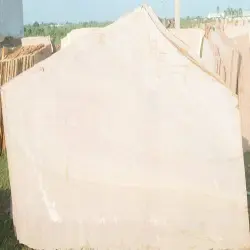
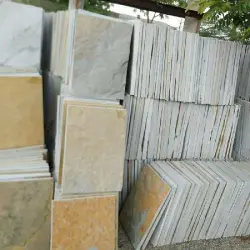
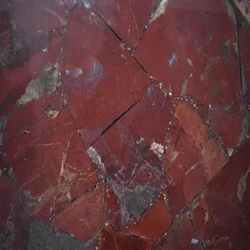
Looking for Fieldstones? Tell Us Your Requirement & Get Best Quotes!
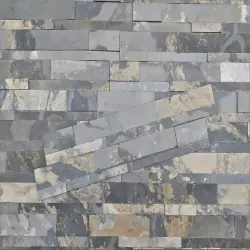

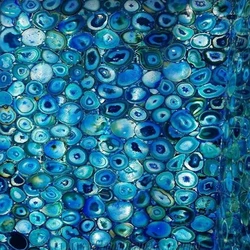
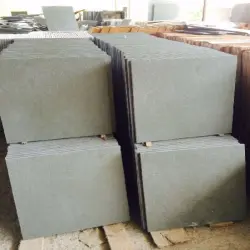
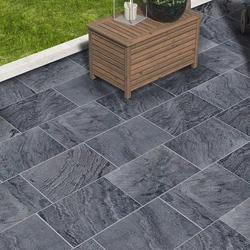
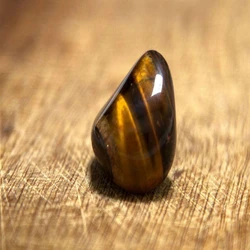


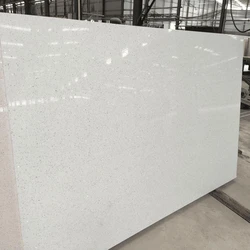

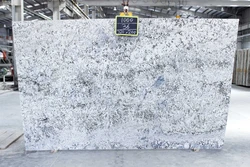
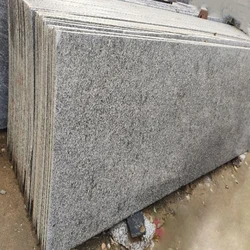
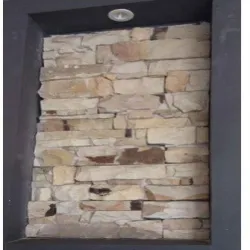
Thickness 20 mm Sandstone Block s, Color Brown, Application Flooring, Countertops, Stairs, Exterior and interior wall cladding, Bathroom walls, Parking area
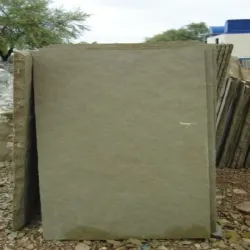
Kota Stone, Service Location City Udaipur, Stone Type Indian Stone, Surface Finish Glossy
INDIAN AUTUMN Peel and Stick Stone 3D Panel DIY, Deals Within PAN India, Color Steel Grey, Features Water Resistant
Brand Mudra, Thickness Upto 18 mm Designer Cladding, Packaging Type Carton
Natural Stones, Features Water Resistant, Surface Finish Matte
Weight 320 kg per Sq Ft, Size in mm 500 X 100 Decorative Wall Stone, Coverage 054 Sqft
Mirror Polish Kota Stone, for Wall Tile, UsageApplication Flooring, Surface Finish Polished
Looking for Fieldstones? Tell Us Your Requirement & Get Best Quotes!
flexibile Veener Slate Sheets, Color Brown, Size 24 feet, Surface Finish Matte
Installation Type Wall Mounted Yellow Quartzite Stone, Color White, Set Contain 96x36 in inches
Size 150X600mm KBlack Veneer, Material Stone, Surface Finish Natural
Width 2 Feet Skirting Kota Stone, Thickness 075-1Inch, 1-125 Inch
Star Lite Mist Stone, Color White, Surface Finish Polished, Form Slab
Material Thin Stone, Design Modern Marble Veneer, Deals Within PAN India
Design Natural Natural Indian Stones, Quantity Per Pack 8pc
Suitability Wall Mountings, Countersam and flooring Amethyst Gemstone Tile, Material Amethyst, Form Slab
Purchase Fieldstones at Mayo World
Fieldstone is a naturally occurring stone found at or near the Earth's surface. Fieldstone is a nuisance for farmers looking to expand their cropland, but it was eventually employed as a construction material. Unfinished rock found in fields all over the world; is often utilized as building material; each stone is linked with others to form something of tremendous strength, integrity, and durability. Fieldstone is a type of stone that has been exposed to the weather throughout time, resulting in a unique appearance. Furthermore, it provides the ideal combination of earth tones to create an authentic, rustic impression in your home.
Natural field stones range in color from light brown to dark chocolate based on their location within a formation, so you can locate one with a variety of unusual hues just around the corner. Weathered Fieldstone rock is commonly utilized in landscaping projects due to its rustic appearance. It may be used for a multitude of applications, including walls, and paths, and even as decoration for gardens or other outdoor areas. Visit our website to find a variety of Polished Labradorite Slab suppliers and manufacturers.
Fieldstone of the Homestead
Homestead Fieldstone is primarily composed of quartz grains; however, it also contains iron-rich mineral grains that rust when exposed to the surface. The rusting of these iron-rich minerals gives Homestead Fieldstone its distinctive reddish-brown appearance.The classic appearance of Fieldstone: a traditional design palette.
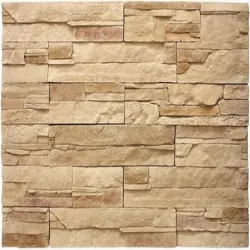
Before the construction of condominiums and towers, the Canadian environment was covered in forests, fields, and meadows, with plenty of fieldstones. This natural building material was the logical first choice for the earliest residential structures. The pioneers of the land had to be resourceful in picking an acceptable building material that would be easy to use and easily available. Fieldstone provided such convenience and was used to great use. Fieldstone imitation rock uses the same natural textures to produce a very traditional stone. Fieldstone faux stones are huge and organically shaped.
FAQs
What exactly are Fieldstones used for?
Weathered Fieldstone rock is commonly utilized in landscaping projects due to its rustic appearance, but it may also be used for walls, paths, and even as decoration in gardens or other outdoor places.When it comes to landscaping, numerous materials can be used to create various styles. One of the most adaptable of these materials is naturally occurring field stone. It has a wide range of applications, including walls, paths, and even garden or outdoor space ornamentation. One of its most appealing features is its distinct appearance. Because it has been exposed to the elements over time, field stone has a worn appearance that adds character and charm to any landscaping project.
What kind of rock is Fieldstone?
Fieldstones are formed as a result of glacial deposits in temperate climates. Glacial periods cause glacial deposition, with the Wisconsin Glaciation being the most recent example. The fieldstones we discover and utilize are left behind from the previous glacial period. But enough of history. Where do we find fieldstones. Because fieldstones are found in the topsoil in temperate regions, they are frequently found in big agricultural fields, where they are mainly discovered by farmers attempting to expand their farmed area. Farmers remove fieldstones because they interfere with the farmland's natural aeration.
Fieldstones are particularly environmentally friendly when used in landscaping techniques. We save money on production by collecting these fieldstones in nature rather than making them. We might also feel more environmentally conscious when we repurpose what is currently accessible in the environment. However, fieldstones may be slightly adjusted to accommodate storage and fit into our final product. Fieldstones, for example, can be somewhat flattened before stacking them.
Discover Highest Searched Fieldstones
Kota Stones | Quartz Stone Slabs | Veneer Stone | Tandoor Stone | Slab Stone | Stone Basalt | Pebbles Stones | Quartzites | Stone Travertine | Petrified Wooden Slab | Polished Labradorite Slab