Fine Grained, Long Lasting Igneous Rock
Premium Igneous Rock Sourced from Certified Global Manufacturers and suppliers
Global Sourcing Hub
Source from 2,800+ verified Fine Grained, Long Lasting Igneous Rock manufacturers in 45+ countries with Secure Trade Guarantee









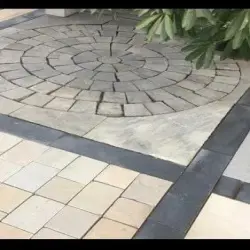
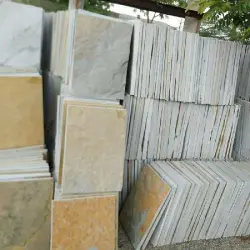
Looking for Igneous Rock? Tell Us Your Requirement & Get Best Quotes!
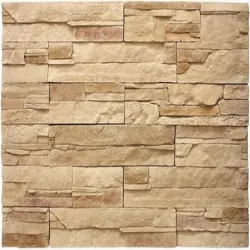
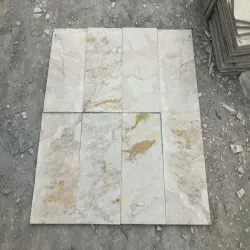
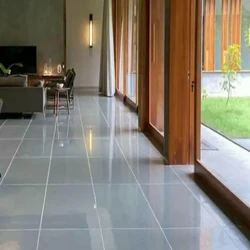


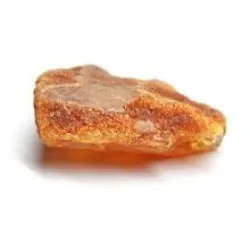
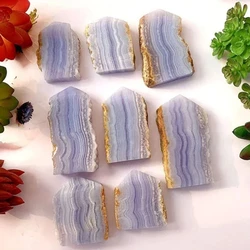

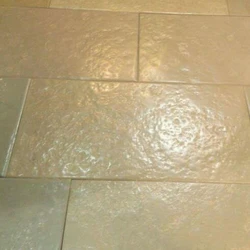
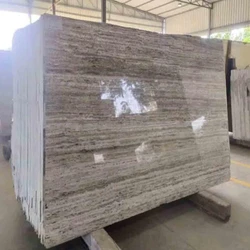

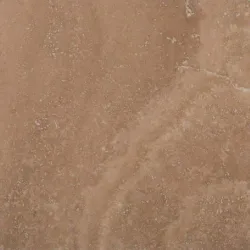
Titanium Travertine Marble, Form Slab, Color Brown, Brand ACE MARBLES AND GRANITES
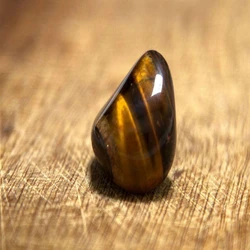
Yellow gold divine, Material Stone, Shape Tumbled, Color Natural Brown
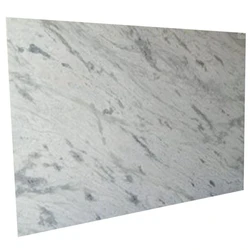
Travertine marble, Form Slab, Surface Finish Unpolished
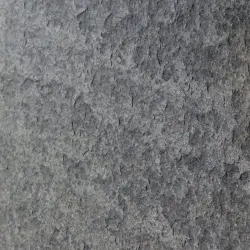
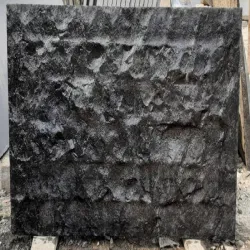
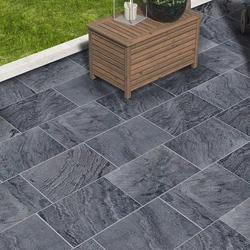
Color Grey Black Basalt Stone, Product Type Hand Mill
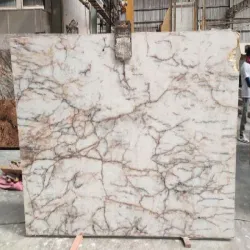
Material Quartz Stone slab Mersin Marble, UsageApplication Kitchen Counter, Thickness 20mm
Polished Kota stone, Thickness 20 mm, Size 22x 11, Size 1X1, 2X2, 2X3, 1X3, 1X4 ETC, Features Water Resistant, Deals Within Worldwide
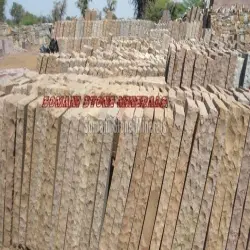
Kota Stone, Service Location City Udaipur, Stone Type Indian Stone, Surface Finish Glossy
Looking for Igneous Rock? Tell Us Your Requirement & Get Best Quotes!
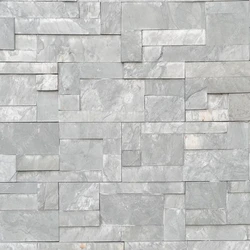
Weight 320 kg per Sq Ft, Size in mm 500 X 100 Decorative Wall Stone, Coverage 054 Sqft
Surface Finish Antique, Polished, Brand KM Corporation Rough Kota Stone, Color Blue Green, Size 23X23
Basalt Rock, Thickness 35 mm, UsageApplication Flooring, Covering, Wall Cladding etc, Product Type Basalt Stone
Color Beige Indian Slate Silver Quartzite, Thickness 40 mm
Color Mix, Brand Nupur Exports TOWER AGATE ORIGINAL STONE, Weight 6-7 kgsqft
Surface Finish Alpine Brown Natural Natural Forests, Shape Square
Polished Decorative Slab, Stone Type Imported Stone
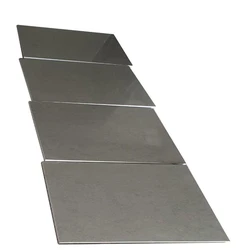
Surface Finish Mirror Polished, Shape Rectangular Agl Quartz Stone, Form Slab
Igneous Rock Manufacturer, Supplier, Exporter
Igneous Rocks are "fire-born," which means they are generated by the cooling and solidification of molten Rock. Igneous is derived from the Latin word ignis, which means "fire." Molten Rock is known as magma until it erupts onto the surface, at which point it is referred to as lava. Igneous Rocks can be formed in a variety of ways. Intrusive or plutonic Igneous Rocks are generated within the earth's crust. Extrusive or volcanic Igneous Rocks are those that form outside or above the earth's crust.
We learn about several types of Rocks as we grow up. It can be difficult to remember which type of Rock is called what, so we'll start with the basics first. Rocks form naturally when microscopic grains of various minerals are squeezed due to the pressure exerted on them. Furthermore, they are subjected to heat, which causes compression. Furthermore, different methods produce distinct types of Rocks. In this post, we will discuss Igneous Rocks and their various varieties, as well as their formation and features. This will help you have a better understanding of these Rocks. Our website features a vast number of Fieldstones suppliers and manufacturers.
Two Varieties of Igneous Rock
Igneous Rocks are generated when hot, molten Rock crystallizes and hardens. They start deep inside the Earth, near active plate borders or hot regions, and rise to the surface. Igneous Rocks are classified as intrusive or extrusive, according to where the molten Rock hardens.
Intrusive Igneous Rocks: Intrusive Igneous Rocks, also known as plutonic Rocks, are formed when magma becomes trapped deep within the Earth. Great globs of molten Rock rise to the surface. Some magma may power volcanoes on Earth's surface, but the vast majority remains trapped underneath, cooling slowly over hundreds of millions of years before solidifying. Slow cooling permits individual mineral grains to develop over time, resulting in relatively large sizes. Intrusive Rocks have coarse grain texture.
Extrusive Igneous Rocks: Extrusive Igneous Rocks form when magma cools above the Earth's surface. These are the Rocks formed by erupting volcanoes and leaking fissures. When molten Rock erupts on the surface, the magma, known as lava, cools and solidifies very rapidly due to the relatively cool temperature of the atmosphere. Because of the rapid cooling, mineral crystals have little time to texture.
Types of Igneous Rock Textures
There are seven different types of Igneous Rock textures. Aphanitic refers to fine-grained materials with a size smaller than 1 mm. The granules are invisible to the unassisted eye.
The coarse-grained ones with visible crystals and sizes ranging from 1 to 10 mm are phaneritic. Pegmatitic Rocks have very coarse grains and are larger than 1 cm in size. Porphyritic is composed of both big and fine-grained crystals, with the massive crystals known as phenocrysts and the matrix serving as the background.
Next, vesicular refers to Rocks that contain vesicles. Essentially, it resembles a sponge, and examples include scoria and pumice. Pyroclastic are broken, angular grains released during an eruption. For example, volcanic.
FAQs
What is the origin of the term Igneous Rock?
The term "Igneous" is derived from the Latin ignis, which means "of fire". The volcanic Rocks are named after Vulcan, the Roman name for the God of Fire. Intrusive Rocks are also referred to as "plutonic" Rocks, which are named after Pluto, the Roman underworld deity.
What are Extrusive Igneous Rocks?
These are the Rocks that erupt onto the surface and form little crystals when they cool fast. Some Rocks cool quickly and create amorphous glass. Basalt, tuff, and pumice are a few examples of such Rocks.
Determine Highest Searched Igneous Rocks
Kota Stones | Quartz Stone Slabs | Veneer Stone | Tandoor Stone | Slab Stone | Stone Basalt | Pebbles Stones | Quartzites | Stone Travertine | Petrified Wooden Slab | Polished Labradorite Slab