Sedimentary Stone
Premium Sedimentary Rocks Sourced from Certified Global Manufacturers and suppliers
Global Sourcing Hub
Source from 2,800+ verified Sedimentary Stone manufacturers in 45+ countries with Secure Trade Guarantee


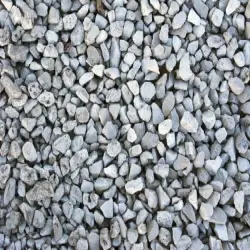





Looking for Sedimentary Rocks? Tell Us Your Requirement & Get Best Quotes!
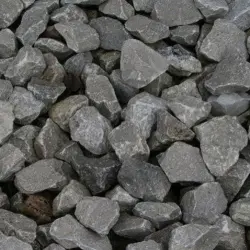
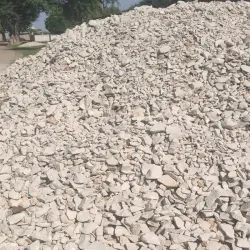


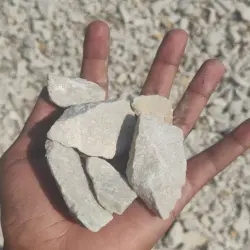


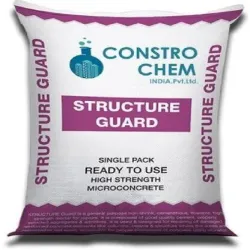
Brand fosroc, Thermal Conductivity 15 Wm0C Fosroc Microconcrete Rgl, UsageApplication micro concrete





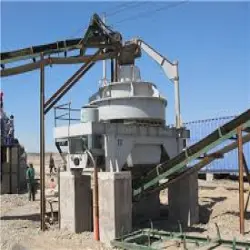

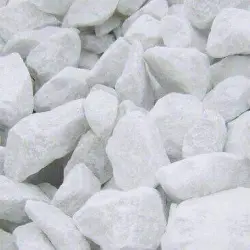
UsageApplication Industrial Limestone For Boiler, Brand Naga Sai Minerals, Surface Finish Unpolished
Construction Stone Gitti, Standard A Grade, UsageApplication Construction, Yield 60 mm
Stone Aggregate, Form Solid, UsageApplication Use For Construction, Standard Best In Quality
Grade A Grade, Color Blue 25mm Construction Stone, Packaging Type Lorry, UsageApplication Construction
Crushed Stone, Packaging Type Loose, Thickness 6 mm, Type Construction Stone
Type Stone, Color Gray 20mm Kapchi Stone Aggregate, UsageApplication Construction
UsageApplication Industrial Camel Dust Round Off Kit Circle For, UsageApplication Industrial, color off white
Packaging Type Loose Crushed Stone, Density 1600 Kgm3, Water Absorption 05
Looking for Sedimentary Rocks? Tell Us Your Requirement & Get Best Quotes!
Type Stone Dust, UsageApplication Construction Crushed Stone, Packaging Type Loose, Thickness 10mm
Form Solid, Color Multicolor Sand Crushed Stone, Size 40mm, UsageApplication Construction
Crushed Stone Aggregate, UsageApplication Construction, Packaging Type Loose, Thickness 40mm
20 mm, Color Grey, Bulk Density 1680 kgcm3, Form Solid
Crushed Stone, Color Gray, UsageApplication Construction
BallastRailway Track Filling Metal, Packaging Type Truck, UsageApplication For Construction
Density 750 kgm3 Railway Track Ballast, Thickness 20mm
Brand fosroc, Thermal Conductivity 15 Wm0C Fosroc Microconcrete Rgl, UsageApplication micro concrete
Packaging Type HDPE Bag, Mesh 1630 For Construction, Flooring, Brand Kejeriwal, UsageApplication Industrial
Color Grey, Grade Standard A Quarry Dust, Water Absorption 05
UsageApplication Construction Concrete Stone, Standard Normal standard, Type Building Material
Limestone Grit Lsp Grit 01 to 06 mm, Density 2711 gcm3, UsageApplication Poultry feed and other natural calcium raw material, Size 1 mm
20 Mm Kapachi, Type Crushed, Material Stone
Crushed M, Type Masonry, Color Gray, Form Powder
Stone Grit, Thickness 20mm, UsageApplication Construction
UsageApplication Industrial Limestone For Boiler, Brand Naga Sai Minerals, Surface Finish Unpolished
Sedimentary Rocks is Available at Mayoworld
Sedimentary Rocks originate at or close to the Earth's surface. As a result, it contrasts with igneous and metamorphic Rocks, which originate deep beneath the Earth. Furthermore, weathering, erosion, dissolution, precipitation, and lithification are the main geological processes that lead to the production of these Rocks. Many manufacturers and suppliers of Laterite Stones can be found on our website.
Formation:These Rocks are created when material at the Earth's surface in bodies of water is deposited and then cemented. Furthermore, these Rocks form in four different ways. The first is the worn remnants of other Rocks that have been deposited. Second, it occurs when the sediments thicken and unite. The outcomes of the biogenic activity then start to deposit. Precipitation from the solution happens at the end.
Types and Uses of Sedimentary Rocks:
There are three categories of Sedimentary Rocks that we distinguish between: clastic, chemical, and organic Sedimentary Rocks. Coal and limestone make up the majority of the composition of organic Sedimentary Rocks. They originate from the accumulation and deposit of dead plants and animals in rock layers.
Next, the Rocks that are formed by the mechanical weathering of various rock types are known as clastic Sedimentary Rocks. Next come chemical Sedimentary Rocks, which are created by a chemical interaction between minerals found in rock formations. These minerals cool as precipitate and eventually transform into rock over time.
Sedimentary Rocks are used in many applications. The most popular places to find them are monuments and structures. First, limestone is used to make cement, which is just one application for this rock. In addition, we make building stones out of sandstone and limestone. Next, quartz is used to create glass. The next ingredient is rock gypsum, which is used to make plaster. Sedimentary Rocks are the primary source of energy resources such as uranium, coal, oil, and natural gas.
Properties of Sedimentary Rocks
Color: Iron is a common element that determines the color of these Rocks. Iron has two major oxides: iron(II) oxide and iron(III) oxide. Only in low oxygen (anoxic) environments does iron(II) oxide (FeO) develop, giving it a grey or greenish color. These Rocks are in direct touch with the atmosphere in dry continental regions, and oxidation is a significant process that gives the rock its red or orange color. The rock may become grey or black when organic stuff is present.
Texture: Even though a rock's texture is a small-scale characteristic, it influences many of its large-scale characteristics. For example, the rock's density, porosity, or permeability. Chemical Sedimentary Rocks are entirely made of crystals and have a non-clastic structure. The aggregate of characteristics such as the size and arrangement of the detrital grains, the roundness of the particles, and the clay matrix determines the overall texture of these stones. We can assess the properties of the Rocks using a scale of textural maturity that consists of four textural phases.
Mineralogy: The majority of these Rocks are made of calcite or quartz. In contrast to igneous and metamorphic Rocks, Sedimentary Rocks typically contain a wide variety of important minerals. Put another way, compared to igneous Rocks, the mineral origins in these Rocks are typically more complex. During the sedimentation process, precipitation may have formed the minerals in these Rocks. Mica, feldspar, and other less stable minerals have mostly been converted to clay minerals like kaolinite, illite, or smectite in these Rocks.
FAQs
Why is it called Sedimentary Rocks?
Deposits of previously existing Rocks or fragments of extinct organisms build up on the Earth's surface to form Sedimentary Rocks. Sedimentary rock is created when silt is buried deeply and crushed and cemented. Many of the scenic views of the Southwest desert region are made possible by these Rocks, which frequently exhibit unique bedding or layering. Three categories exist for Sedimentary Rocks: clastic, biologic, and chemical. In essence, sedimentation is the collective term for all processes that lead to the settling of mineral and organic particles. Sediment, then, refers to the particles that aid in the creation of Sedimentary Rocks.
What are its Features?
- Sediment accumulates throughout time and forms Sedimentary Rocks. Below are some facts about Sedimentary Rocks.
- A hard, Sedimentary type of quartz is called flint.
- Although they comprise a very minor portion of the planet's crust, Sedimentary Rocks make up the majority of the rocky surface of Earth.
- They frequently include fossils of millions of years old flora and animals.
Recognize Largest Explored Sedimentary Rocks
River Sands | Crushed Stone | Sand Construction | Stone Chip | Stone Construction | Dust Stone | Microconcrete | Grit Stone | Chips Marble | Lightweight Aggregate Concrete | Dust Crush Sand