Traditional Ilkal Sarees
Premium Traditional Ilkal Sarees Sourced from Certified Global Manufacturers and suppliers
Global Sourcing Hub
Source from 2,800+ verified Traditional Ilkal Sarees manufacturers in 45+ countries with Secure Trade Guarantee
Looking for Traditional Ilkal Sarees? Tell Us Your Requirement & Get Best Quotes!
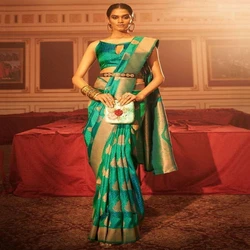
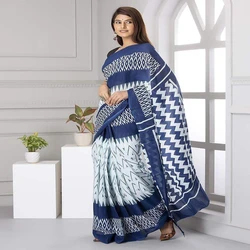
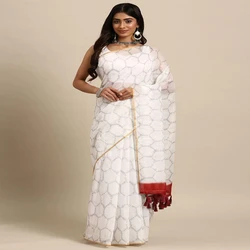
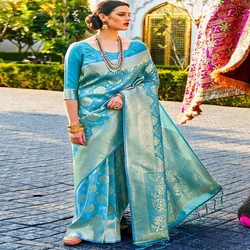
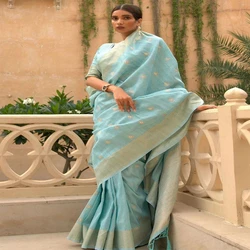
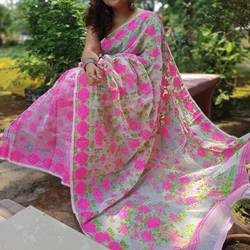
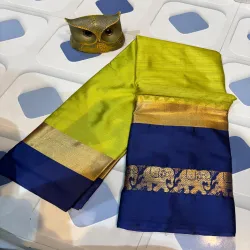
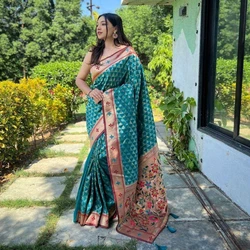
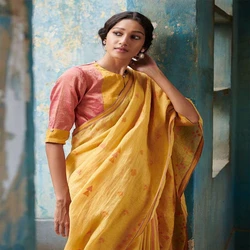
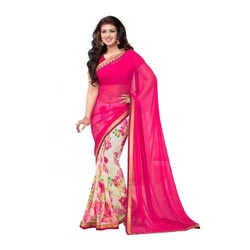
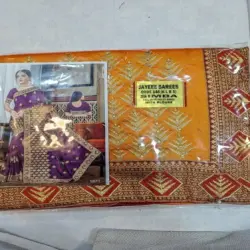
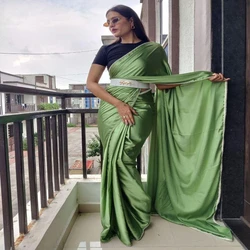
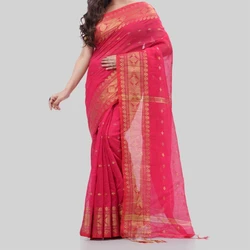
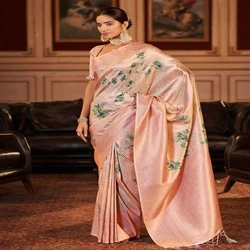
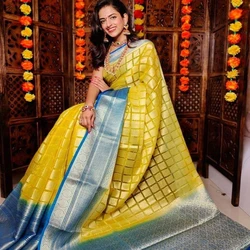
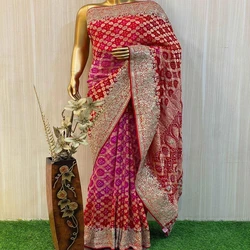
Traditional Bandhani Saree — Hathi Lace Patoda Style
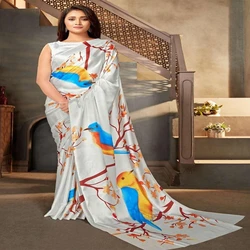
Digital Printing Saree — 1 1 m width linen material
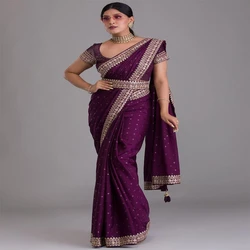
Butti Work Saree — Party festival special occasion
Linen Cotton Silk Sarees — Border Digital Printed
Silk Bandhani Saree — Modern designs indian wear
Blouse Stitch Type Unstitched Chikan Saree, Design Plain, Saree Length 63 m with blouse piece
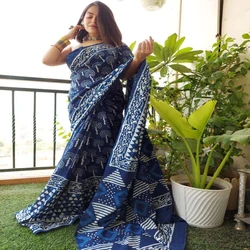
Soft Cotton Saree — Bandhani style blue color
Looking for Traditional Ilkal Sarees? Tell Us Your Requirement & Get Best Quotes!
Ladies Designer Surat Saree — Embroidery multicolors
Ladies Cotton Saree — Light Weight Elegance And Comfort
Handloom Zari Linen Saree — Golden border zari work
Occasion Party Wear, Saree Length 63 m with blouse piece Printed Linen Saree, Work PRINTED, Print Type Block Print
Printed Jamdani Saree — Wedding Wear Special Designer
Design and Patterns Traditional, Draping Style Traditional Saree, Comfort Lightweight, South Gadwal silk sarees with blouse piece, Hiyas Boutique
Paithani Silk Sarees — Stunning Ethnic Soft Drape
Linen Jamdani Saree — Elevate your style zari border
Net Type Synthetic Sarees — Lightweight plain fabric
Kalamkari Printed Surat Saree, Saree Length 63 m with blouse piece, Color Baby PinkBase
Satin Silk Saree — Red color 5 82 1 10 size
Digital Saree, Pattern Printed, Occasion Party Wear, Wash Care Dry clean
Womens Cotton Saree — Modern Designs Daily Usage
Digital Print Silk Saree — Casual festival party wear
Designer Ladies Silk Saree — Embroidery Work Border
Buy Traditional Ilkal Sarees Online in India
Gorgeous cotton silk weaved by hand Checkered Sarees with an Ilkal border, inspired by Kunbi. The town of Ilkal in the Indian state of Karnataka's Bagalkot is where the Ilkal Sarees gets its name. Cotton warp is used to weave Ilkal Sarees bodies, while art silk warp is used for the border and pallu area. The town of Ilkal is home to about 20,000 individuals who weave Sarees. On our website, you may find a large number of exporters, suppliers and manufacturers of Digital Printed Linen Sarees.
The pallu wrap and the body wrap are woven individually in an Ilkal Sarees. Similar to how the pallu warp in art silk is manufactured, the border piece of the warp is. Both the pallu and the border will be the same color. Using a loop technique, the body and pallu threads are connected. The pit loom is used to weave these Sarees. Ilkal Sarees weaving is primarily done inside. It is a family business in which the female members actively participate. Using a handloom, weaving a single Saree takes around seven days. With the aid of the power loom, we can also weave it. We have top manufacturers and suppliers in India. There are many design, border, and weaving style similarities between Ilkal Sarees and Kunbi Sarees, the traditional Sarees of Goa. The ancient Kunbi and Ilkal Sarees woven by Adivasis and tribal people share nearly identical Checkered patterns. These Sarees are easy to keep, don't need to be starched often, and drape beautifully. This Sarees is elegant but comfortable. This Sarees color provides it with a unique, stylish, and attractive appearance. This Saree is a straightforward yet elegant garment. A slight color variation may occur as a result of the lighting used during photography. Every piece is unique and utterly fascinating to all women.
Ilkal Sarees: The history and methods of this distinctive handloom
Purchasing and possessing a beautiful Ilkal Sarees during the 1800s was highly esteemed in Karnataka and certain regions of Maharashtra. This South Indian handloom weave has maintained its cultural and social significance even in modern times. While it's easy to buy Ilkal Sarees online these days, in the past, kings would call upon expert weavers to create custom ones at their command. The North Karnataka town of Ilkal, which has been a prominent centre for weaving for many generations, is the inspiration behind the name of the Sarees. The most unusual aspect of Ilkal Sarees, aside from their other distinctive qualities, is the way the pallav is linked with the Sarees's body by a unique method known as the kondi. The cluster has adjusted to certain evolutionary shifts, but the weaving customs have mainly not changed.
The background of Ilkal Sarees and their cultural importance
Indian handloom textiles and fabrics have always earned an outstanding reputation around the globe. Different weaves from around the nation have since become internationally recognized because of their origins. Many other local jewels maintain their historical superiority and attractiveness, even if Banarasi and Kanjeevaram Sarees are among the names with better recall value. Among these are the Ilkal Sarees, which are arguably the most distinctive to originate from South India. They have been very well-liked throughout Maharashtra and North Karnataka for many, many years. The traditional borders, patterns, and designs that have been a part of Sarees since their inception still define them now. If folklore is to be accepted, Ilkal and the Bagalkot district in which it is located were a well-known centre for weaving as early as the sixth century. The weavers identify as the offspring of a celestial sage, and Goddess Banashankari of Badami is their patron goddess. The aristocracy and royalty supported the weaving industry. Although at first only coarse cotton Sarees were woven, artisans eventually shifted to weaving elegant Sarees made of fine cotton, silk, or a combination of the two.
Ilkal Saree weaving techniques, designs, and borders
Tope-tene and kadai are the two main motifs on the pallav that are used to distinguish an Ilkal Saree from other types. The various border designs, including Gayatri, chikara, and gomithini, are next. The Sarees's body typically features a geometric pattern, most frequently a check pattern. The pallav or series as it is known locally, is interlaced with the rest of the Sarees using a particular technique called the kondi, which is what distinguishes an Ilkal Sarees from others. Typically, the pallav is a different color than the Sarees main body. There is a continuous loop pattern that secures the two sets of warp yarns the body and the pallav. In the past, the body of the pallav might be woven in any color using fine cotton, art silk, or pure silk yarns, whereas the pallav would typically be woven in red tones.
A fly shuttle pit loom that is handled by hand is used to weave an Ilkal Sarees. The pallav is typically woven by a husband and wife or a father and daughter. Not only is weaving a generational trade, with knowledge and abilities being passed down from one generation to the next, but it's also a collaborative endeavour, with various family members taking on distinct roles. The majority of workers on the loom are men, while women handle ancillary tasks like sorting, reeling, piercing, etc. When the kids become older and enter their teens, they also begin to support different activities that help them learn new things and hone their talents.
Search and Check Unique collection of Traditional IIkal Sarees
Linen Sarees | Nauvari Sarees | Assam Mekhela Chadar | Ajrakh Saree | Simple Saree | Surat Sarees | Netted Saree | Satin Cloth Sarees | Lehariya Sarees | Butta Sarees