Construction Iron Bar
Premium Iron Bar Sourced from Certified Global Manufacturers and suppliers
Global Sourcing Hub
Source from 2,800+ verified Construction Iron Bar manufacturers in 45+ countries with Secure Trade Guarantee
Looking for Iron Bar? Tell Us Your Requirement & Get Best Quotes!
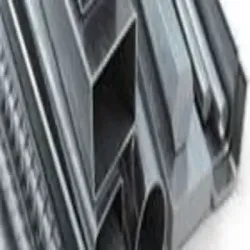
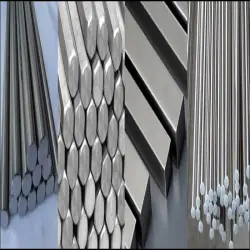
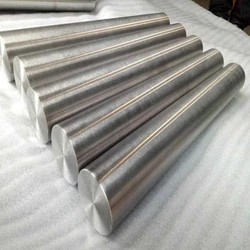
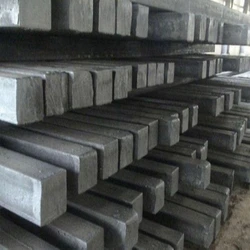
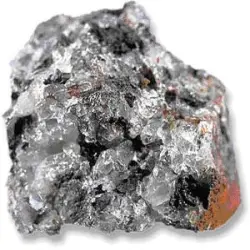
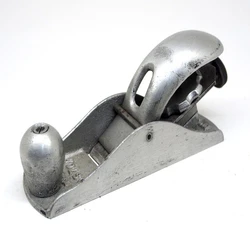
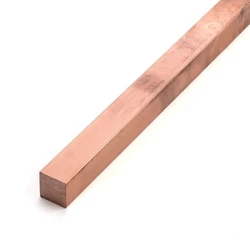

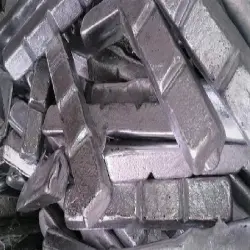
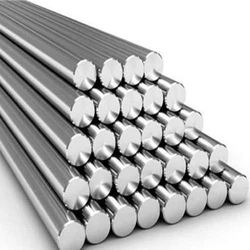
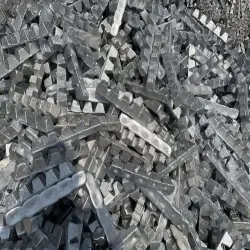
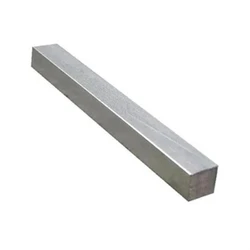
UsageApplication Construction Flat Bar, Hand Tool Flat Bar, Brand Matta
Tungsten Carbide Flow Cage, For Drilling, Reaming, Facing, UsageApplication CNC Machine, Material Tungsten Carbide
Technique Hot Rolled, UsageApplication Manufacturing EN19 Flat Bar, ThicknessDiameter 1-2 inch, 2-3 inch
Single Piece Length 6 meter Rod for, Steel Grade Duplex 32760
Looking for Iron Bar? Tell Us Your Requirement & Get Best Quotes!
Notch Bar, Shape Rectangle, Purity 975, Grade A Grade
Shape Round Nickel Alloy Round Bars, Size 12 inch, Thickness 6 mm
Brand Bhoomi Metal Alloys, Material Metal Alloy Bar, Purity 99, Type Tungsten Carbide Metal
Shape Round, Material Aluminium Aluminum Bar, Technique Cold Drawn, Diameter 635mm-400mm can avail more
UsageApplication Manufacturing Bronze Bar, UsageApplication Manufacturing, Shape Round
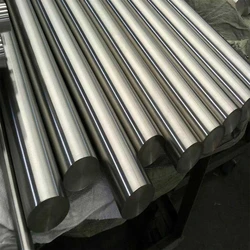
Shape Round Iron Round Bar, Features Anti Corrosive
Si 03 max, Weight 900 gm to 1100 gm Aluminum Notch Bar, Aluminium 98 min, Material Aluminium
Color Silver, Unit Length 3 m EN8 Bright Bars, Shape Square
Single Piece Length 36 meter, 36 meter, 18 meter Patta Patti, Material MS, Usage Manufacturing, Construction
Finishing Polished, Shape Rectangular Aluminium Notch Bar, Purity 98, Is It Anodised Anodised
Size Defined Jindal Bar Rod, Product Aluminum Bar, Brand Jindal, More
Transparent Iron Bar with Adjustable Strength
The Steel Rebar's various advantages and importance in the construction of concrete structures have long been recognized by the industry. These straightforward yet adaptable materials also referred to as reinforcing steel bars, have been included in buildings to provide construction support for walls, panels, columns, foundations, and similar elements. On our site, you may find a large number of suppliers and manufacturers of Cast Iron Bar. Iron Steel Bars are one of the most dependable materials in structural applications despite being relatively prevalent due to some advantages. The rebar, which has many ribbed patterns and an inconspicuous tube-like shape at the Mayo World Site, is essential to the creation of impact-resistant structures for many contemporary buildings. To find out more, keep reading on our webpage.
Benefits of Cast Iron Round Bar
1. Provides Assistance to Organizations: The primary benefit of the steel rebars supplied by Reinforced Iron Bar merchants is their exceptional support for various configurations. As previously stated, they are present in bases, wall paneling, columns, and foundations. To create a framework that gives them stability, single steel rebars are typically joined with many rebars. Steel rebars are suitable for providing reinforcing strength to the properties of concrete because of their unique structure. The rebar is designed with a pattern and texture finish that closely matches the ingredients of the concrete.
2. Elevated Cohesion: Simply put, structural materials are frequently linked to the phrase "ductility." The ability of a material to resist breaking even after undergoing deformations during its production is how it is defined. Just because raw concrete has less flexibility does not mean that it can support a network on its own. Due to its brittleness, the material is easily damaged and cracked, especially when it comes into contact with other environmental requirements for Manufacturers and Suppliers in India. For example, the concrete's aggregate cracks may already be improved by moisture, which may cause the concrete to crack physically. Steel is positively ductile, in contrast to concrete. Its ductility may be rapidly increased by adding more carbon, which also helps it withstand compression pressures and bends that could harm the material. Steel rebar started to appear often in concrete-based construction projects.
3. Resistance to Impact: A structure must protect itself from any impact impairments that might affect the way it is constructed and operates. When combined with other sturdy building elements, steel rebar plays a crucial role in enabling a building to acquire heightened resistance against impacts. A building's suitability for usage is determined by its compliance with multiple regulations. Because of this, it's uncommon to witness a significant network that is adversely affected right away, even after experiencing a significant degree of effect.
4. Simple Assembly: Steel rebars also have the benefit of being easily molded into places for drainage, foundation slabs, paving, columns, and other features. With easily obtained materials, the rebars can be easily relocated and assembled in a single facility. Welding and tying are two techniques that are frequently used to create steel rebar frames. Contractors are free to select which of these two techniques their rebar supports. However, of the two methods, tying is more common and secure since it uses relatively basic materials that are readily available on any building site. This is because even the smallest issue may be solved to put connected rebars together in a significantly shorter amount of time.
5. Material that can be recycled: Choosing steel rebar can be a financially advantageous decision due to its widespread use and ability to be recycled multiple times without losing any of its qualities. Consider all of the structures that have already been destroyed. Many of the elements used in their construction, especially the rebars, are even suitable for recycling back into new materials.
Deformed Hot Rolled Bars: In reinforced concrete structures, hot-rolled deformed bars are frequently utilized. They are made by hot rolling, which gives them surface ribs to strengthen their bond with concrete. Because of their high tensile strength and flexibility, these bars can be used in conventional RCC structures because they have a clear yield point followed by a plastic stage.
Bars of Cold-Worked Steel: Hot rolled bars are cold-worked at room temperature by twisting and pulling them. This creates cold-worked steel bars. Compared to heat-rolled bars, these bars are less flexible and do not show a plastic yield. When decreased elongation and great strength are required, they are the recommended option.
Discover the most Prominent Search Wrought Iron Bar
Aluminum Bars | Aluminium Flat | Flat Bars | Aluminium Alloy Bar | Platinum Bar | Square Bar Aluminium | Aluminum Block | Bar Rectangle | Bronze Bars | Continuous Cast Bar