Non Woven Fusible Interlining Fabric
Premium Non Woven Fusible Interlining Fabric Sourced from Certified Global Manufacturers and suppliers
Global Sourcing Hub
Source from 2,800+ verified Non Woven Fusible Interlining Fabric manufacturers in 45+ countries with Secure Trade Guarantee
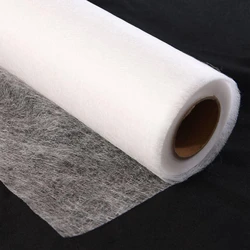
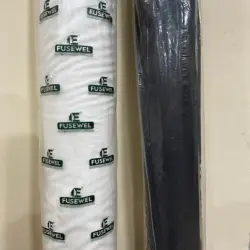
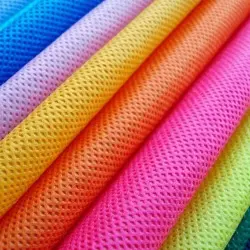
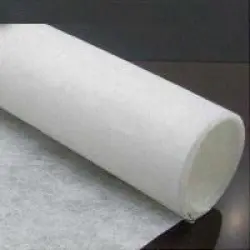
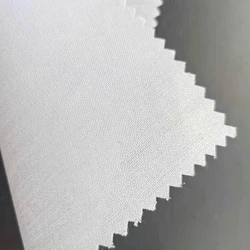
Looking for Non Woven Fusible Interlining Fabric? Tell Us Your Requirement & Get Best Quotes!
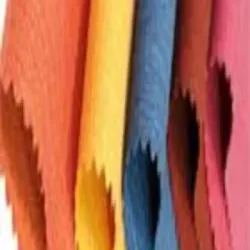
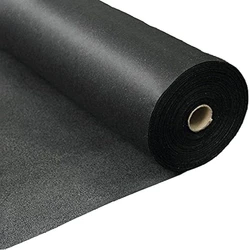
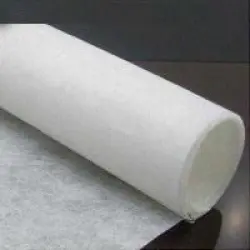
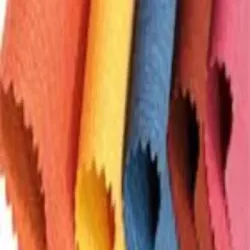
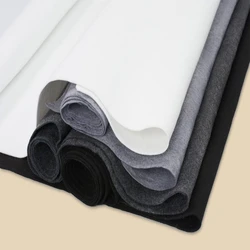
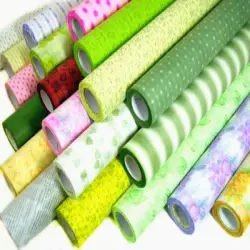
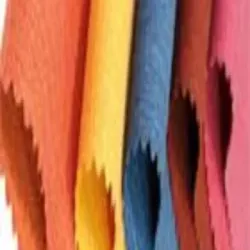
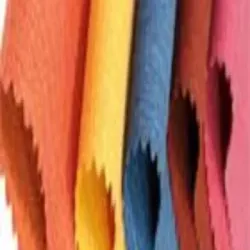
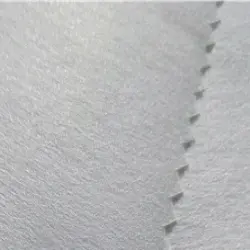
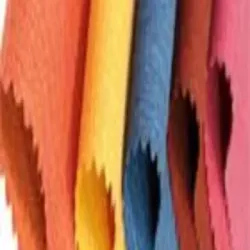
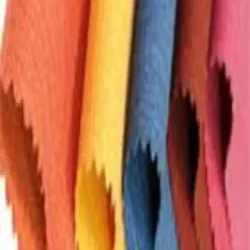
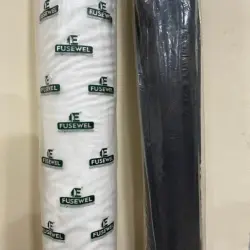
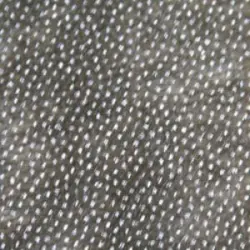

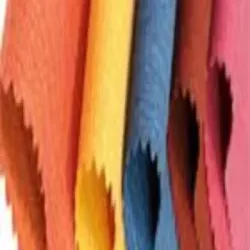
Non Woven Interlining Fabric, Type Cotton, DesignPattern Plain, UsageApplication Ready Chest Piece
UsageApplication Garments, GSM 80 Gsm Fusible Interlining, Fabric Lycra, Length 50 m
Coating Polyamide, Width 150 cm Woven Fusible, Color Black And White
Brand Toni, Usage Textile Industry Non Woven Fabrics, Material Polyethylene, UsageApplication Medical
Size 36 Lining, Embroidery Type Plain, Blouse Type Unstitched
Non Woven Interlining Fabric, Type Non Woven Fusible Interlining, Pattern Plain
UsageApplication Garments Fusible Interlining, Brand Mani Technitex, Width 150 cm
Looking for Non Woven Fusible Interlining Fabric? Tell Us Your Requirement & Get Best Quotes!
Non Woven Fabric For Sanitary Pads, Brand Redifil, GSM 18 to 200 GSM, Type of Non Woven Fabric Spunbond
GSM Less than 80 GSM, Material Wood Pulp Fusible Interlining, Packaging Type 200 Yards, Pattern Plain
Color White, Packaging Type Roll Bonded Fabrics, Width 175 mm
GSM 140 GSM 200 Colors Pure Cotton Lining Fabric, Fabric Type Polyester, Type Knitted
Brand JB Non Woven Fabric, Features Water Proof, Recylable, Dust Resist, UsageApplication Medical, Garments, Agriculture, Construction
Non Woven Mattresses Pocket Spring Fabric, Width 800mm, Material Type Spun Bond Polyester Non Woven Fabric, GSM 22GSM
Wash Care normal, UsageApplication Garment Polyester Astar Fabric, UsageApplication Garment, Length 100 mtr
Color Multicolor, Fabric Polyester 40-60 White PV Non Woven Interlining Fabrics, 20-100, Type Woven, Width 60 inches
Brand Oristar Napkin, Features Water Proof Non Woven Fabric, Material Polyester, Application Shoe Industry
Packaging Type Roll, Roll Length 63-66 Inch Non Woven Fabric, Fabric Type Non Woven
Stretch Interlining, Packaging Type Roll, UsageApplication Industrial, Coating LDPE
W cut Bag Making Non Woven Fabric, Pattern Laminated, Layer Pattern SS, Brand Favourite Fab
Fusible Interlining, Material Cotton, Wash Care Machine wash
Material Polyester Grey Lining, UsageApplication Bags Backpacks
Curtain Interlined Fabric, UsageApplication 10000
Fusible Non-Woven Interlining Fabric Manufacturers, Suppliers
A layer of Fabric called Interlining is sewn in between a garment's lining and shell to give it a proper look and sense of stability. It has a lengthy history and, depending on its substrate and use, appears in a variety of forms. Fusible Interlinings are the most popular and commonly utilized type of Interlining, and that was the primary emphasis of this essay. Our website features a large directory of Braided Rope manufacturers and suppliers.
While earlier studies on the characteristics and uses of shell Fabrics have fused various Interlinings using appropriate fusing technologies, a thorough understanding of Fusible Interlinings is lacking. The history, categorization, manufacturing, features, qualities, function, fusing technology, and application of these materials, as well as their current stage of advancement, will all be methodically summarized in this review article.
Fusible Interlining is an approach that is widely used in the clothing and apparel production industries. It is a kind of Interlining that, over a predetermined period, connects the garment's components using pressure and heat. This method works well for making upholstery, clothing, and curtains, among other things. This process is necessary to bind the textile fibers together and give the material its stretch resistance. You can add more thickness to the cloth by applying the approach.
Types of Non Woven Fusible Interlining Fabric:
The application of thermoplastic adhesive resin is the fundamental step in the Fusible Interlining process. One side of this piece of cloth is the base Fabric, while the other is another type of Fabric that is joined to form a single, thick piece of cloth. In the end, it needs to bind into a single unit using an adhesive that is appropriate for the type of textile as well as outside heat and pressure. On the other hand, a variety of fusion Interlining techniques are available for use with various textile kinds and project types. It is preferable to start with an understanding of the types.
Fusible non-Woven Interlining:
Non-Woven Fusible Interlinings are a fantastic choice for people who make handbags, bags, and other similar products. Instead of using Woven Fabric for the Interlining in this instance, a rigid sheet made of paper or wood is used. They are ideal for reinforcing at the bottom of the bags since they contribute to the base's rigidity. Since the materials used are strong, bags with non-Woven Fusible Interlining may withstand rigorous handling with ease.
Fusible Interlining Woven:
The binding occurs between real Woven Fabric components, as the name implies. Here, a lightweight Fabric is interlined to give clothing and accessories a polished appearance. It is relatively simple to reinforce with other Fabrics due to its low weight. It works better in the most demanding settings and gives the fused unit a flexible texture. Perfect for belts, coats, and other similar goods with waists.
Resilient Fusible Interlining against water:
The technique of using Fusible Interlining that is waterproof or water-resistant involves using a Fabric that is impermeable to incoming water. It is preferable to use waterproof coatings in conjunction with the Fusible Interlining technology to make any material or object water resistant. It gives the manufactured goods good stiffness and rigidity. Perfect for items of apparel intended for rain, such as raincoats and jackets. The non-Woven materials must be thermally bonded together throughout the process in order to fuse; this is why they hold up well against harsh procedures like chemical washing and bleaching.
Fusible Interlining made of yarn:
The most effective Fusible Interlinings for production units are knitted ones. This is the best way to provide knotted clothing stretchability. Because they are more flexible, they have superior recovery qualities. Manufacturers of coats, blazers, jerseys, and other expensive clothing employ it for that purpose. For the aforementioned clothing, the laminate's smooth touch and lightweight work well. The looping structures of knitted varieties vary, offering stability and flexibility depending on the material used.
FAQs
What is a Fusible Non-Woven Fabric?
Non-Weave Fusible The purpose of Interlining Fabric is to strengthen the sheet or cloth. They have a sticky coating that is triggered by pressure or heat. The primary usage of non-Woven Fusible Interlining Fabric is as a raw material in the sewing process; it is utilized in womenswear collars and cuffs. A piece of Fabric is starched, let to dry, and then sewed with the main Fabric to prepare the Interlining for sewing. Furthermore, Fusible Interlining is a material that may be fused to the components of clothing by heating and pressing on it for a predetermined amount of time.
What is the Non-Woven Fabric used for?
Both single-use (or disposable) and durable garments are made in large quantities using nonWoven textiles; noteworthy market segments include for protective gear, shoe linings, Interlinings, garment linings, waddings, and synthetic leather Fabrics. In essence, Fusible cloth has glue applied to it. It serves as a backing to provide support or give the Fabric more substance. Fusible Fabrics come in a variety of forms, and each serves a unique function. Lighter Fusibles are typically needed for textiles that are lighter in weight.
Discover Most Explored Non-Woven Fusible Interlining Fabric
Waistband | Microdot Fusing | Garment Interlining Fabric | Cuffs Interlining | Fused Collar | Woven Fusible Interlining | Non Woven Fusible Interlining Fabric