Rubber Belt Conveyor
Premium Rubber Belt Conveyor Sourced from Certified Global Manufacturers and suppliers
Global Sourcing Hub
Source from 2,800+ verified Rubber Belt Conveyor manufacturers in 45+ countries with Secure Trade Guarantee
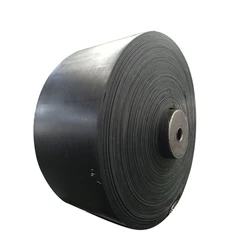
Looking for Rubber Belt Conveyor? Tell Us Your Requirement & Get Best Quotes!
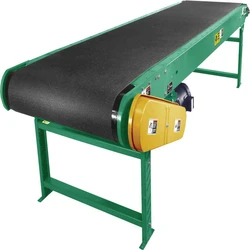
Features Heat Resistant, Thickness up to 18mm Conveyor Belts, Material PVC, Rubber, Belt Width 200mm
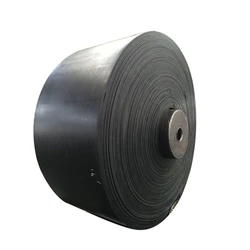
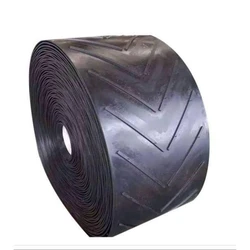
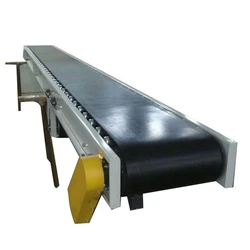
Belt Thickness 12 mm, Type Of Product Conveyor Belt Rubber Conveyor Belt, Tensile Strength 100 mmmin, Brand R Mech Machines LLP
Length 2 m 10mm Conveyor Belt, Thickness 6 to 20 mm
Type Wrapped V Belt Automotive Rubber V Belt, Feature Premium Performance, Material Rubber
Features Heat Resistant Premium Bracket Endless Conveyor Belts for, Brand Mitsuboshi
Endless Conveyor Belts, Type of Conveyor Belt Sidewall Conveyor Belt, Belt Width 50 mm
Conveyor Belt, Material Mild Steel, I Deal In New Only, Application Area Industrial use
Color Black, Brand Contitech V Belt, Model Number B2761LpB107
Looking for Rubber Belt Conveyor? Tell Us Your Requirement & Get Best Quotes!
Type of Conveyor Belt Sidewall Conveyor Belt, Weight 15 kg Conveyor Belt, 17 Mpa, Type Conveyor Belt, Color White
Belt Thickness 0135mm Conveyor Belt, Brand Ashland Conveyor, Surface Smooth PVC
Brand Alaska Harvestor Combine V Belt, Manufacturer By Continental Industries, Minimum Temperature -40 Degree Celsius
Cross Section B, Colour Black 1482 V Belt, Product Brand Himalaya, Material Rubber
Color Black, Max Belt Width 600 mm - 1000 mm Conveyor Belt, Size 100 M, Working Temperature -45 to 100 Degree C
Type Acid and Alkali Resistant Conveyor Belt Conveyor Belt, Color Black, Rubber Material Grade M24
Material Rubber Conveyor Belt, Type Rubber Conveyor Belt, Belt Width 1000 mm
Features Heat Resistant, Thickness up to 18mm Conveyor Belts, Material PVC, Rubber, Belt Width 200mm
Transmission Drive V Belt, UsageApplication Conveyor Systems, Outside Circumference 100 mm
Usage Industrial Agriculture V Belt, Brand Fenner, Type Fractional Horsepower
UsageApplication Food Pharma Industries Conveyor Belt, UsageApplication Food Pharma Industries, Power Consumption 15 Kw
Cross Section A, Material Rubber V Belt Timing Belt, Belt Type V Belt, Color Black
Rubber Belt Conveyor Manufacture and Exporters in India
A belt that has been looped and wound around one or more pulleys is known as a conveyor belt. The conveyor belt is supported by a metal plate bed or rollers and is driven by an electric motor. An idler pulley lacks power, therefore the pulley that drives a conveyor belt is called the drive pulley. A conveyor belt's head drives are the pulley drives at the discharge end, and tail drives are the ones at the infeed end. A head drive, which moves a conveyor belt with pull force and is positioned at the discharge end, is the recommended kind of pulley drive. Conveyors come in an infinite variety of forms and applications.
The main elements of a rubber belt conveyor are the frame, belt roller, conveyor belt, tensioning mechanism, transmission device, etc. From the first feeding point to the last discharging point, it can form a material on a specific conveyor line. A rubber belt conveyor can withstand heat, high temperatures, burning, acid and alkali resistance, cold resistance, wear and tear resistance, oil resistance, flame retardancy, puncture resistance, and more. The goal of each type is to move resources and products along a path that is always moving. Some conveying systems employ rollers instead of motors to move goods, even though motorized conveyor belts are the more common type. Our website lists many manufacturers and suppliers of Aluminium Profile Workstations.
Processing and sorting of Mined Materials
The sorting and processing of mined minerals is aided by a rubber conveyor belt. They move different phases of processed minerals, coal, and crushed rock. Crushing, screening, washing, and sizing are a few of the processing phases. This makes it possible to quickly separate useful minerals from waste rock. Furthermore, a belt and conveyor system here guarantee that the finished product fulfills the requirements. To detect and eliminate undesired materials, modern conveyor belts can be fitted with automated systems and sensors. However, constant use of the conveyor belts may cause damage to their rubber cover when sorting mined materials. The bottom cover deteriorates gradually as well due to the friction produced by the pulleys. A Pulley Lagging Sheet might provide protection.
Types of Conveyor Belts
Conveyor belts are used in a variety of industrial environments and applications. Conveyor belt systems' efficiency reduces lead times, lowers labor costs, and boosts production. Large amounts of cargo are moved swiftly and dependably by conveyor belts for storage, additional assembly, or transportation. Conveyor systems are widely used due to their ability to save labor costs, move goods efficiently, and shield materials and products from harm. They offer the greatest service at the most affordable price.
Roller Conveyor Belt for Beds: The roller bed conveyor belt's surface is made up of a series of rollers that are selected based on many production parameters, including weight, speed, and product type. How many rollers are needed depends on the length of the conveyor belt in a roller bed. For situations requiring a higher weight capacity, roller bed conveyors are perfect. The product moves more smoothly because of the roller bed's design, which reduces the amount of friction transmitted to the belt.
Flat Belt Conveyor Belt: Materials and supplies are moved by a flat belt conveyor belt using several pulleys. Because the belt's materials can be synthetic or natural, it can be used in a variety of settings and situations. A flat belt conveyor belt may have nose bars and a central drive in certain cases.
Modular Conveyor Belt: The components of a modular belt conveyor are easily replaceable and consist of interlocking hard plastic segments. The material of modular belt conveyors is resistant to abrasive and sharp objects, and their design facilitates easy cleaning. With their many configurations, modular belt conveyors use a single belt to travel up and down declines, around bends, and in a straight line.
Cleated Conveyor Belt: Sections, pockets, or dividers on cleated belt conveyors hold items in place when the belt slopes or descends. Depending on the product and the belt's design, the cleats might have varied shapes and sizes and be distributed equally or unevenly.
Discover the most Searched Rubber Belt Conveyor
Flat Belt Conveyor | Incline Belt Conveyors | Roller Belt Conveyor | Belt Conveyor Portable | Pvc Belt Conveyor | Packing Conveyor Belt | Rubber Belt Conveyor | Sorter Conveyor | Coding Conveyor | Trough Belt Conveyor